
You’ve been dealing with pain for a while now. Maybe you’ve tried resting, maybe you’ve pushed through it, and maybe someone has suggested both massage therapy and physiotherapy, leaving you unsure which one is actually right for you. It’s a fair question, and the answer matters when you’re trying to get real relief.
One to One Wellness in Halifax supports people navigating exactly this kind of decision, with a team that spans multiple disciplines and works together on your behalf. If you’re wondering where to start, exploring what physiotherapy actually involves can help you understand one half of that picture.
Massage therapy focuses on soft tissue and muscle tension, while physiotherapy targets movement, function, and rehabilitation. They’re different types of care, but for many people dealing with chronic pain, they work well together.
What Each Type of Care Actually Does
Massage Therapy: What to Expect
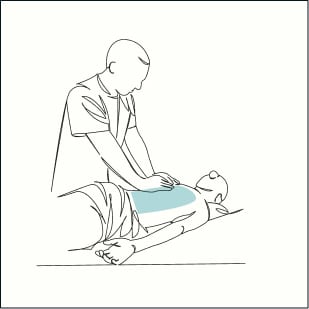
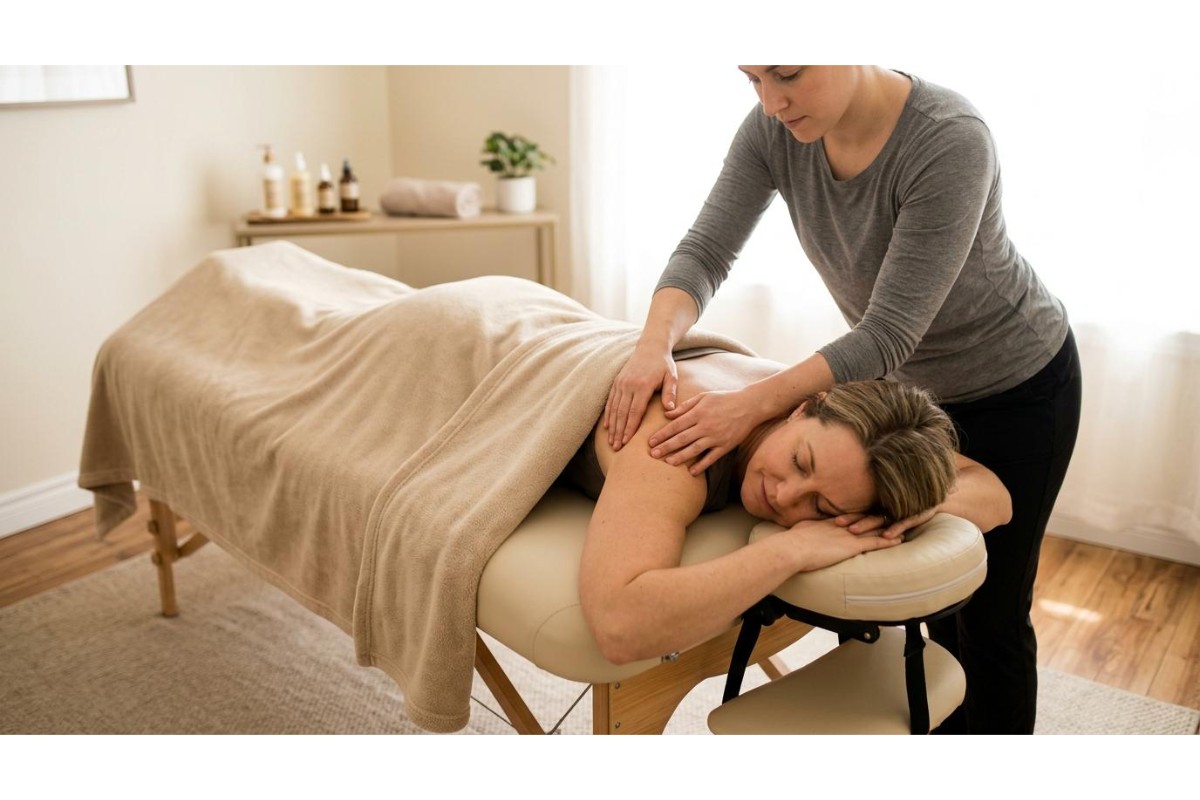
When you see a massage therapist, the focus is on your muscles and soft tissue. Tight spots, knots, and areas of tension get direct hands-on attention. That physical release can ease pain and help your body shift out of a stress response.
Massage also supports circulation, which helps your muscles get the oxygen and nutrients they need to recover. After a session, many people feel noticeably looser and calmer, sometimes within the hour. You can learn more about how massage therapy at One to One Wellness supports pain relief and nervous system balance.
Physiotherapy: What to Expect
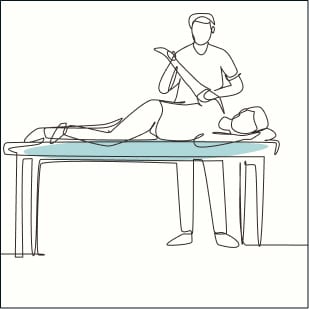
Physiotherapy takes a different angle. The goal is to improve how your body moves and functions, especially after an injury or through ongoing pain. A physiotherapist might use hands-on manual therapy, guided exercises, and education about your condition to help you move better and hurt less.
It’s not just about treating where it hurts. Physiotherapy looks at how your whole body is working together, and what might be contributing to your discomfort day after day. The benefits of physiotherapy go well beyond a single session, building toward lasting change over time.
How Each Approach Helps With Chronic Pain
Massage Therapy for Pain Relief
Chronic pain often comes with layers of muscle tension that build up over time. Your body holds stress physically, and that tension can make pain feel worse or harder to manage. Massage therapy can help break that cycle by loosening tight tissue and calming down an overactive nervous system.
The relief can feel immediate, like finally being able to take a full breath after weeks of tightness. That short-term relief can also make it easier for you to participate in other types of treatment. A registered massage therapist can be a meaningful addition to a broader care plan when pain has been persistent.
Physiotherapy for Long-Term Pain Management
If your pain keeps coming back, it’s often because something in how your body moves or functions hasn’t been addressed yet. Physiotherapy looks at those root causes and builds a plan to correct them through targeted exercises and movement work.
Over time, strengthening the muscles around a painful area gives your body more support. That added support can reduce how often pain flares up and how intense those flares feel. Understanding what you can actually do about pain is often one of the first steps toward feeling more in control of your recovery.
Key Differences Between the Two Approaches
It helps to think of these two types of care as serving different, but complementary, roles in your recovery. Here’s a quick breakdown:
- Massage therapy focuses on soft tissue and tension relief, while physiotherapy focuses on function and movement
- Physiotherapy often includes a structured home exercise program you follow between appointments
- Massage tends to offer more immediate physical relief, while physiotherapy builds lasting change over time
- Both are valid approaches to pain management, just at different stages and for different needs
Neither one is a replacement for the other. Knowing what each does helps you figure out where to start, and whether you might need both. If you’re still piecing things together, the guide to managing chronic pain on the One to One Wellness site offers a helpful overview of how a personalised plan comes together.

When a Combined Approach Works Better for You
Signs You Might Benefit From Both
Sometimes one type of care isn’t enough on its own, especially when pain has been with you for months or years. If you’ve already tried massage or physiotherapy without lasting results, that’s a signal worth paying attention to.
A few signs that a combined approach might serve you better:
- Your pain hasn’t improved with one type of care alone
- You have both muscle tension and limited movement at the same time
- Your pain affects your sleep, mood, or daily routine, not just your body
How a Collaborative Team Supports Pain Management in Halifax
At One to One Wellness in Halifax, the team takes a multi-disciplinary approach to pain management. That means your massage therapist and physiotherapist aren’t working in separate silos. They communicate and coordinate so your care plan makes sense as a whole. You can meet the people behind this approach by visiting the One to One Wellness team page.
Chronic pain isn’t just physical. It touches your function, your mental health, and how you move through your daily life. A collaborative team can address those layers together, rather than one at a time. For people whose pain has started affecting mood or mental wellbeing, understanding how psychological support fits into recovery can make a real difference.
How to Choose the Right Starting Point for Your Pain
Questions to Ask Yourself First
Before booking your first appointment, it helps to reflect on what your pain actually feels like day to day. Two questions worth thinking about:
- Is your pain mostly tension and tightness, or is it more about stiffness and difficulty moving?
- How long have you been living with this pain, and has anything helped at all?
Your answers can point you toward which type of care makes sense to start with, or whether a combined approach is worth exploring from the beginning. If you’re unsure whether your symptoms call for professional support, this resource on knowing when to seek help for pain can help you make that call with more confidence.
Getting the Right Support for Pain Management in Halifax
There’s no single path through chronic pain that fits every person. Your experience is specific to you, and your care plan should be too. Starting with a proper assessment can take the guesswork out of where to begin.
Our team at One to One Wellness offers pain management in Halifax through a range of disciplines, from physiotherapy and massage therapy to psychology, occupational therapy, and more. Reaching out through a free meet and greet session can help you get a clearer picture of what your body needs and what’s available to support you.