

You wake up feeling a little better than yesterday. So you push through your to-do list, catch up on chores, maybe go for a walk. Then the next two days, you’re flat out on the couch wondering why you tried. That cycle is exhausting, and for a lot of people living with chronic pain, it’s just called Tuesday. At One to One Wellness, we work with people in Halifax who know this pattern well, and we understand how much it takes from you over time. If you’re looking for a more structured path forward, pain management support can be a meaningful place to start.
Pain pacing is a skill that helps you regulate how much activity you do, and when, so you can gradually do more over time without triggering painful flare-ups. It’s not about doing less forever. It’s about doing things smarter so your body can actually start to trust movement again.
What Is Pain Pacing?
Pain pacing means managing the timing and intensity of your activity based on a plan, not based on how you feel in the moment. Most people use pain as their guide. When it hurts, they stop. When it’s quiet, they go. Pacing flips that around entirely.
Instead of chasing symptoms, you follow a time-based approach. You stop an activity because your timer went off, not because pain told you to. Over time, this helps your nervous system stop treating everyday movement as a threat. Think of it as a steady, measured way back into your life. To better understand what’s happening in your body during this process, it helps to learn how pain actually works and why it can persist even after tissue heals.
The Two Patterns That Keep You Stuck
The “Wait Until” Pattern
This pattern looks like resting until the pain settles before doing anything. It feels sensible because moving hurts. But when your body stays still for too long, muscles stiffen, fitness drops, and pain actually becomes easier to trigger, not harder.
Waiting for a pain-free window that never quite comes can shrink your world slowly. The activities you used to do without thinking, like grocery shopping or a short walk around the block, start to feel like too much. A personalized chronic pain management program can help you understand why this happens and give you a structured way out of it.
The Boom & Bust Pattern
On a good day, you feel a spark of energy and you use all of it. You clean the house, run errands, and finally tackle that pile of laundry. Then you pay for it for the next three days. This is the boom and bust cycle, and it’s one of the most common traps in chronic pain.
Each crash teaches your nervous system to fire that pain alarm sooner and with less activity as time goes on. Your threshold for what triggers a flare gradually drops, even though you’re doing less than you were before. Understanding how your brain responds to pain can help explain why this cycle feels so hard to break on your own.
How Pacing Can Help You Do More
Pacing isn’t about putting a ceiling on your life. It’s about building a foundation you can actually add to. When you stop hitting those peaks and crashes, your body gets a chance to recover properly, and your stamina starts to climb.
Over time, pacing can help your nervous system settle down. When your body stops getting surprised by activity, it stops guarding against it so aggressively. You may notice that things that used to spike your pain don’t hit as hard as they once did. Your energy also stays more consistent throughout the day, so you can save some for the things that matter most to you, not just the things you feel obligated to do. Pairing pacing with practical coping strategies for chronic pain can help you build on that progress in a way that feels manageable.

Simple Ways to Start Pacing Your Day
Find Your Baseline First
Before you change anything, you need a realistic starting point. Pick one activity, like walking or cooking, and track how long you can do it across three good days and three tough days. Don’t just use your best day as the benchmark.
Average those numbers out, then start at about 20% below that average. It might feel too easy at first, and that’s the point. You’re giving your body a chance to succeed before you ask more of it.
Practical Daily Pacing Habits
A few small shifts can make pacing easier to stick with day to day. Try these to get started:
- Use a timer to end activities, not your pain level
- Alternate light, medium, and heavier tasks throughout your day instead of front-loading effort
- Schedule enjoyable activities with the same intention you give to tasks and chores
Rest periods matter just as much as activity periods. A short planned break after a medium task keeps you from borrowing energy you don’t have. If you’re unsure how to structure your day around these habits, an occupational therapist can help you adapt your routines to fit your actual life and goals.
How a Collaborative Care Team Can Help
Pain pacing isn’t always easy to figure out on your own. Everyone’s daily life looks different, and the barriers that get in your way, whether physical, emotional, or practical, need personalized attention. That’s where a collaborative care team can make a real difference in your pain management in Halifax.
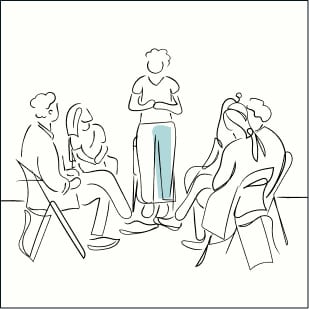
At One to One Wellness, physiotherapy, occupational therapy, psychology, osteopathy, massage therapy, and physicians and nurse practitioners work together to address the different layers of your experience with pain. A physiotherapist can help you identify physical limits and build activity tolerance. An occupational therapist can help you restructure your daily routines around your real goals. Psychology support can help you work through the fear and frustration that often travel alongside chronic pain.
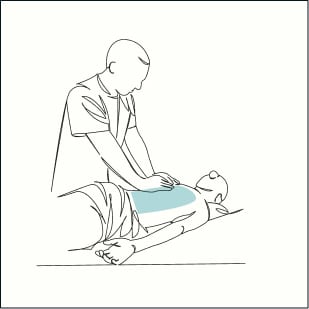
Massage therapy can help ease the physical tension that builds when your body has been on high alert for too long. Physicians and nurse practitioners can support medication management and overall medical oversight as part of your care plan. For those looking for an even more structured approach, our Pain Self-Management Program brings these strategies together in one guided program.
The result is a pain management plan built around your life in Halifax, not a generic checklist. If you’re ready to take a more coordinated approach to your pain, contact our caring team at One to One Wellness to get started.