
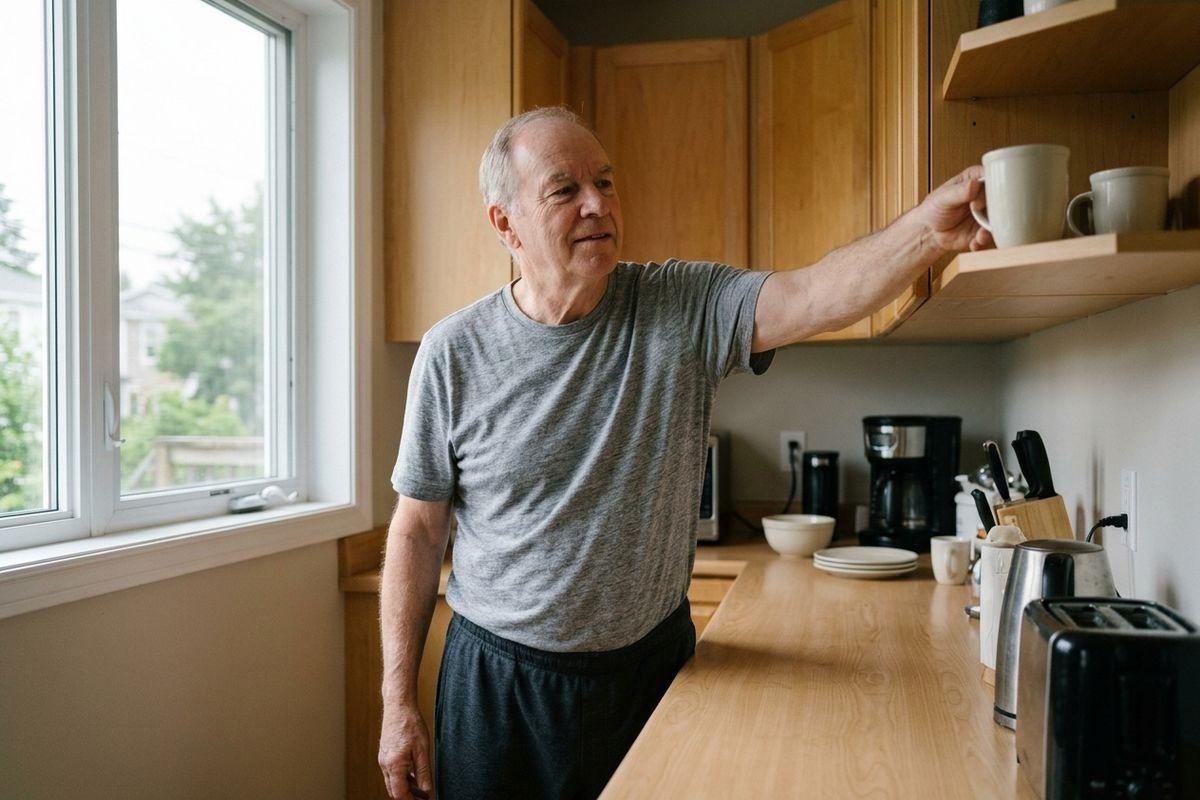
The days after surgery can feel slow and frustrating. You want to move freely again, but stiffness, soreness, and tight tissue keep getting in the way. Simple things like reaching for a cup or turning in bed can remind you how far you still have to go.
Our team at One to One Wellness may use osteopathy as part of your recovery after surgery. Gentle hands-on techniques can support movement and ease tension, but the timing and approach depend on your procedure, stage of recovery, and guidance from your surgical or medical team.
When osteopathy is part of a wider care plan, it can help you return to the activities you miss at a pace that feels right for you.
What Osteopathy Means for Your Recovery
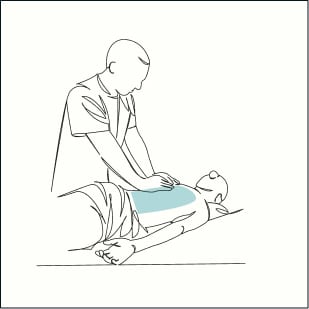
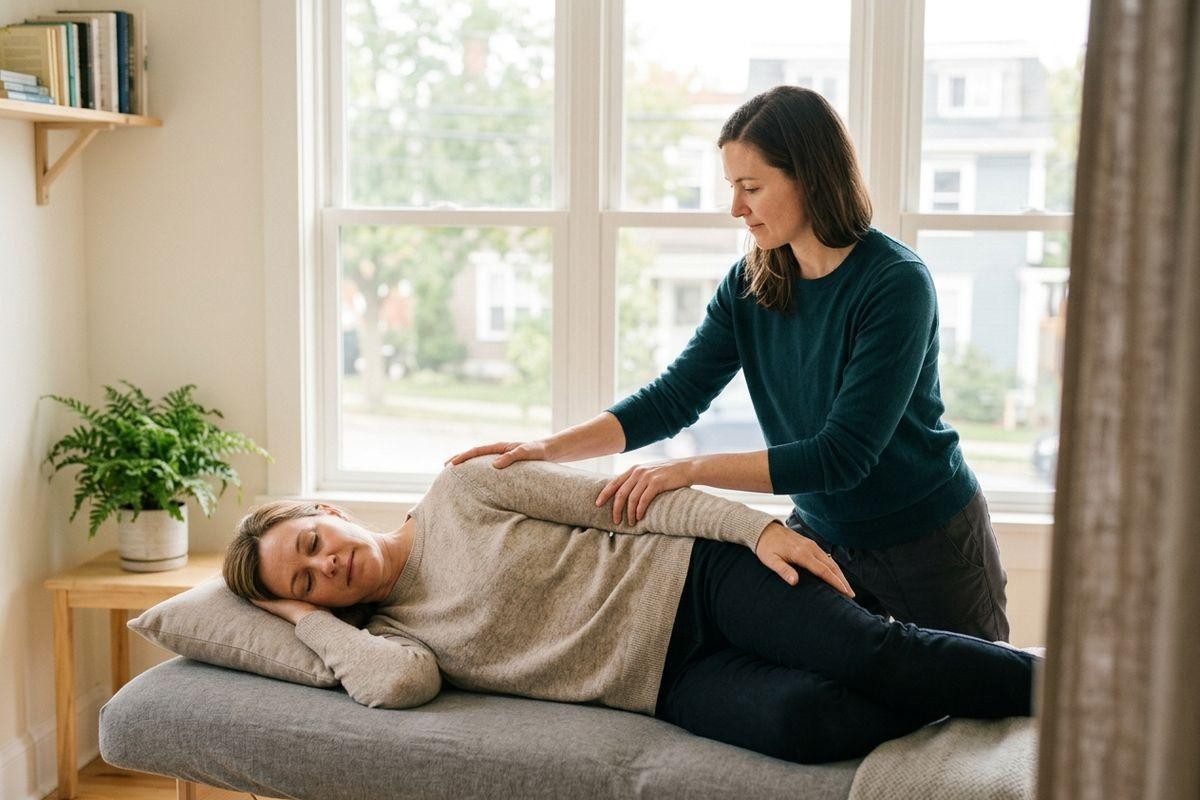
Osteopathy is a hands-on approach that focuses on how your body moves as one connected system. Instead of looking at just the area affected by surgery, an osteopathic practitioner looks at how nearby muscles, joints, and tissues work together.
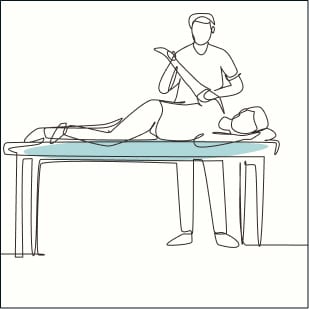
The techniques are gentle. A practitioner can adapt slow, guided movements and light pressure to your recovery stage and any restrictions from your surgical team, rather than using forceful techniques.
The goal is to support your overall movement as you recover. When your hips, back, and shoulders move well, everyday tasks may feel more manageable, but your response depends on your surgery and overall recovery.
Common Struggles You Face After Surgery
Recovery rarely feels like a straight line. Many people notice the same hurdles as they try to get back to daily life. These struggles can slow you down and make simple movements feel like hard work.
- Stiffness around the surgical area
- Reduced range of motion in nearby joints
- Lingering discomfort during daily tasks like walking, dressing, or lifting
Signs Osteopathy Might Help You
Sometimes it’s hard to know when to reach out for extra support. If your surgical or medical team has cleared you for hands-on care, certain movement changes may be worth discussing with an osteopathic practitioner.
- Tightness that limits how far you can move
- A slow return to activity you used to do with ease
- Tightness related to scar tissue after your medical team says hands-on care is appropriate
How Osteopathy Fits Into a Broader Pain Management Plan
Osteopathy can be one piece of a broader plan. For pain management, it may sit alongside other therapies so your recovery gets attention from more than one angle. The right combination depends on your surgery, symptoms, and guidance from your medical team.
The team shapes your care around your own goals. Whether you want to walk the waterfront again or simply sleep without aching, your plan can reflect what matters to you.
What a Session Looks Like
Your first visit usually starts with a look at how you move. The practitioner watches how you bend, reach, and shift so they can spot where things feel restricted.
From there, you can expect gentle manual techniques applied to the areas that need support. Nothing rushed, nothing rough.
Before you leave, you often get simple guidance for at-home care. These small steps can help you hold on to the progress you make between visits.
How the Team Works Together for You
Recovery tends to go more smoothly when your providers talk to each other. At a multidisciplinary practice, osteopathy doesn’t work in isolation.
- Physiotherapy and osteopathy side by side to support movement and strength
- Massage therapy to ease tight muscles and calm sore areas
- A shared plan across disciplines so everyone works toward the same goals
Why a Collaborative Approach Matters
When your care team shares relevant information, your recovery gets attention beyond a single sore spot. With your permission and when appropriate, one provider may notice something another can address, so more of the puzzle gets covered.
When providers communicate about your progress, your plan can shift as your body changes, giving you support that matches where you are today rather than where you started.
What to Expect as You Move Forward
Recovery happens in steady steps. You might notice a little more ease reaching overhead, or a walk that feels less tiring than the week before.
Regular check-ins help track how far you’ve come. These moments let your team adjust your care so it keeps matching your pace.
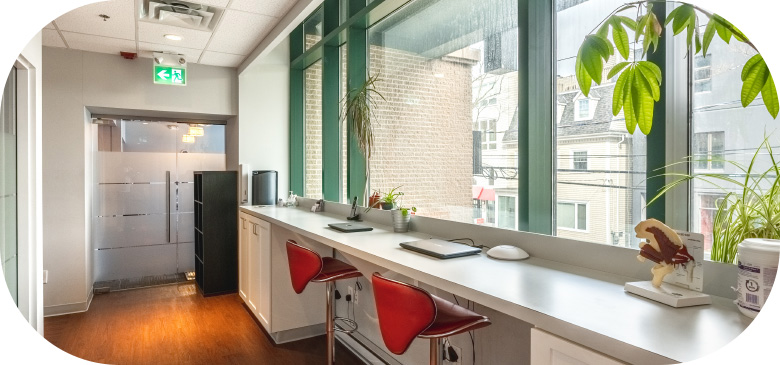
Our team at One to One Wellness in Halifax brings physiotherapy, massage therapy, osteopathic manual therapy, and more together under one roof. Book a free screening to discuss whether osteopathy may fit your recovery plan and what your next step could be.