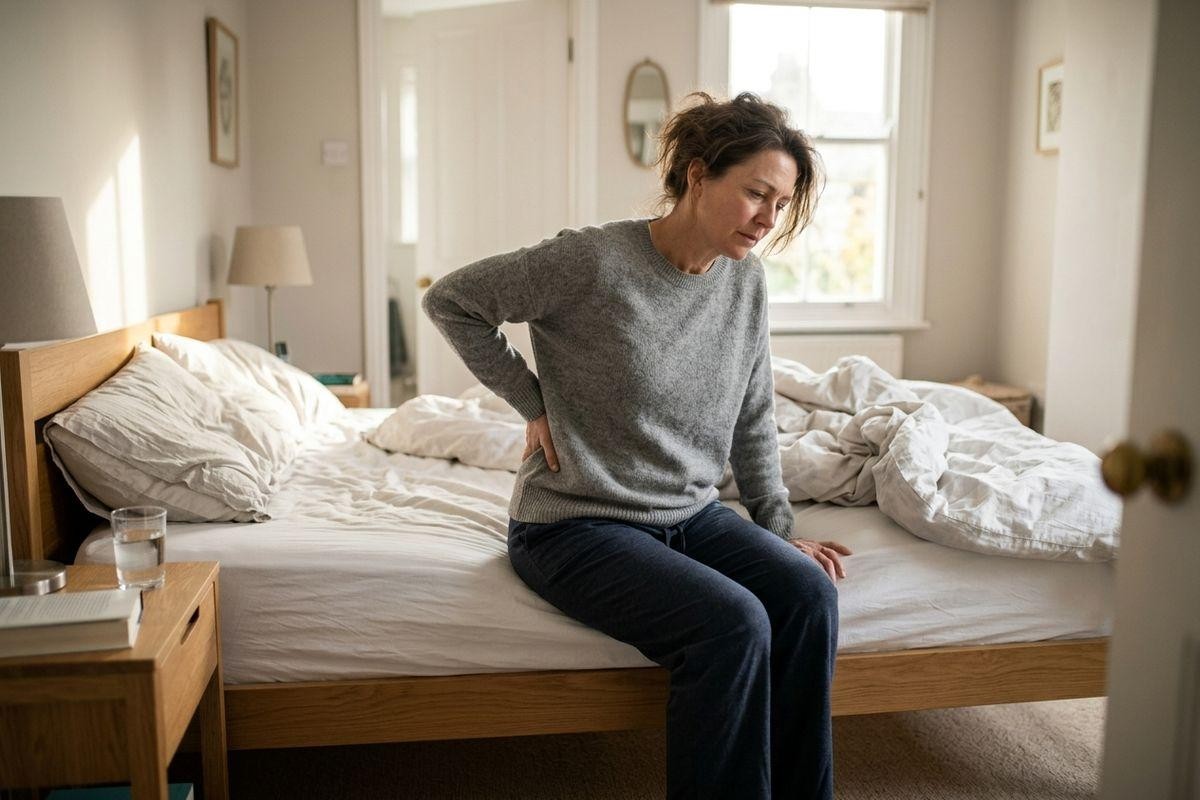
You wake up stiff after another broken night of sleep, and your back or neck aches before your feet touch the floor. By noon you feel short-tempered and worn out. Maybe someone has hinted that it’s all stress. Your pain is real, and the tiredness and low mood that come with it are real too.
Chronic pain and mental health affect each other, so care that supports both your body and your mood may help you cope with pain and get back to more of the life you value. Here’s a closer look at that connection and at how the team at One to One Wellness approaches coordinated pain management, with virtual psychology available across Nova Scotia.
How Do Chronic Pain & Mental Health Affect Each Other?
The Pain & Mood Cycle
Pain and mood tend to feed each other in a loop. According to the Canadian Pain Task Force, about 1 in 5 Canadians live with chronic pain, so you’re far from alone.
The cycle often shows up in a few familiar ways:
- Pain wakes you at night, and poor sleep lowers your pain tolerance the next day
- Ongoing stress keeps your nervous system on high alert
- A tough pain day leaves you feeling irritable, low or drained
Fear of Movement & Isolation
After a bad flare-up, it makes sense to worry about the next one. You might skip the grocery run, a family event or a walk along the waterfront just in case. Over time, that worry can lead to less and less activity.
Missed family dinners or time away from work can feel lonely too. If you live in a smaller community, getting to appointments can add to that isolation, since it may mean a long drive on a high-pain day. Virtual care across Nova Scotia can make support easier to reach.
None of this means your pain is in your head. Your pain is real, and these feelings are a normal response to living with it.
Why Physical Care Alone Can Leave Gaps
Hands-on treatment and exercise matter. However, care that focuses only on your body may miss the sleepless nights, the stress and the low mood that often come with chronic pain.
Mood shapes your daily routine as well. When you feel flat, a short set of home exercises can feel like climbing Citadel Hill. On the other hand, pain and emotional health often improve together when both get attention.
How Can Therapy Help With Chronic Pain?
Therapy doesn’t replace medical or physical care, and it isn’t meant to erase pain. What it can do is help you cope with the stress, worry and low mood that often come with living in pain. Research suggests psychological therapies may ease distress and help people manage daily life with pain, though results vary from person to person. Our psychologists see patients virtually, so you can get this kind of support from anywhere in Nova Scotia.
Coping With Pain-Related Stress & Worry
Pain can bring worry about the next flare-up, trouble sleeping and a pull to avoid the things you enjoy. A psychologist can help you notice those patterns and build practical coping strategies, so stress and worry have less room to make a hard day harder.
How a Psychologist Can Help
A psychologist can support you in several ways:
- Help you understand how pain, stress, sleep and mood affect each other
- Build coping skills for flare-ups, worry and low mood
- Coordinate your care with the other practitioners at One to One Wellness and with your family doctor
- Provide documentation for insurers or legal teams when you need it
Signs It May Be Time to Talk to Someone
You don’t need to wait until things feel unmanageable. It may help to talk to a psychologist if:
- Pain is affecting your mood, motivation or relationships
- Worry about flare-ups keeps you from doing things you enjoy
- Poor sleep and constant stress are making pain harder to manage
- You feel stuck, overwhelmed or alone with your pain
You can read our psychologists’ biographies before you book to find the right fit for you.
What Is Coordinated Care for Pain Management?

The Biopsychosocial Model in Plain Words
Biopsychosocial means looking at your body, your thoughts and feelings, and your daily life together. Instead of focusing on one sore spot, the team looks at your whole life.
How Each Team Member Helps
Each practitioner brings a different set of tools to your care:
- Physiotherapy offers gentle, paced movement and strength work
- Occupational therapy helps with daily tasks, work and energy pacing
- Virtual psychology, available to patients across Nova Scotia, offers coping tools for stress, sleep and flare-ups
One Shared Plan
A physician or our nurse practitioner can review your medical needs and medications. With your consent, the team shares goals and updates, so you don’t have to repeat your story at every visit.
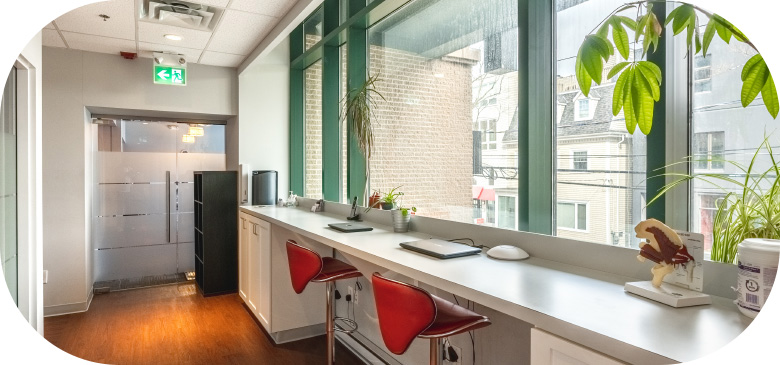
Our psychologists see patients virtually anywhere in Nova Scotia, and many other appointments are available virtually too. In-person visits happen at our downtown Halifax clinic. Virtual care can help if you live outside Halifax or find travel hard on high-pain days.
Our team also supports people recovering from motor vehicle accident injuries and people with veterans’ health needs.
Frequently Asked Questions About Pain & Mental Health
Will Therapy Take Away My Pain?
Therapy isn’t meant to erase pain. It can help you cope with pain, stress and sleep, and it works alongside physiotherapy and medical care, not instead of it. Results vary from person to person.
Do I Need to Live in Halifax to See a Psychologist?
No. Our psychology appointments are all virtual, so you can meet with a psychologist by phone or video call from anywhere in Nova Scotia. There is no waitlist.
What Happens at a Virtual Psychology Consultation?
You talk through your pain, sleep, mood and personal goals in a calm, non-judgmental space where you’re believed. You’ll meet your psychologist by phone or video call through the Jane App, so you can connect from home.
Practical First Steps Toward Pain Management
Small Steps at Home
A few simple habits can help you spot patterns and feel more in control:
- Track your pain, sleep and mood each day for two weeks
- Try short, gentle walks at your own pace
- Read the One to One Wellness post “What to Do When Chronic Pain Becomes Too Much” for ideas on hard days
Steps Toward Coordinated Care
When you’re ready for more support, these steps can help you get started:
- Bring your pain and mood notes to your first visit
- Ask the team about coordinated care or book a virtual psychology consultation
Our team at One to One Wellness works together to help you manage both the physical and emotional sides of chronic pain. Reach out to talk about coordinated care, or book a free 15-minute virtual psychology consultation, available anywhere in Nova Scotia, to take your next step.