

A headache starts again. Maybe it begins as pressure at the base of your skull, spreads toward your temples, or makes it hard to stay focused at your screen. You rest, drink water, and try to get through the day, but the pattern keeps coming back.
Physiotherapy at One to One Wellness may help manage some migraines and headaches, especially when neck tension, posture, movement patterns, or jaw tension are part of the picture. Headaches and migraine can have different causes, so the first step is understanding what may be contributing to your symptoms. Physiotherapy can help identify and calm physical triggers that may be adding to your pain.
How Physiotherapy Addresses Migraines & Headaches
Your neck and head are closely connected. When the muscles at the top of your spine get tight, they can add stress to nearby nerves and tissues. That tension can contribute to pain that spreads into your head.
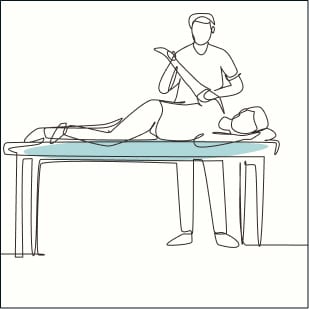
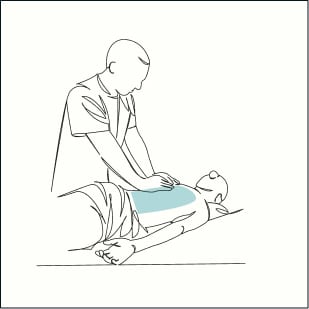
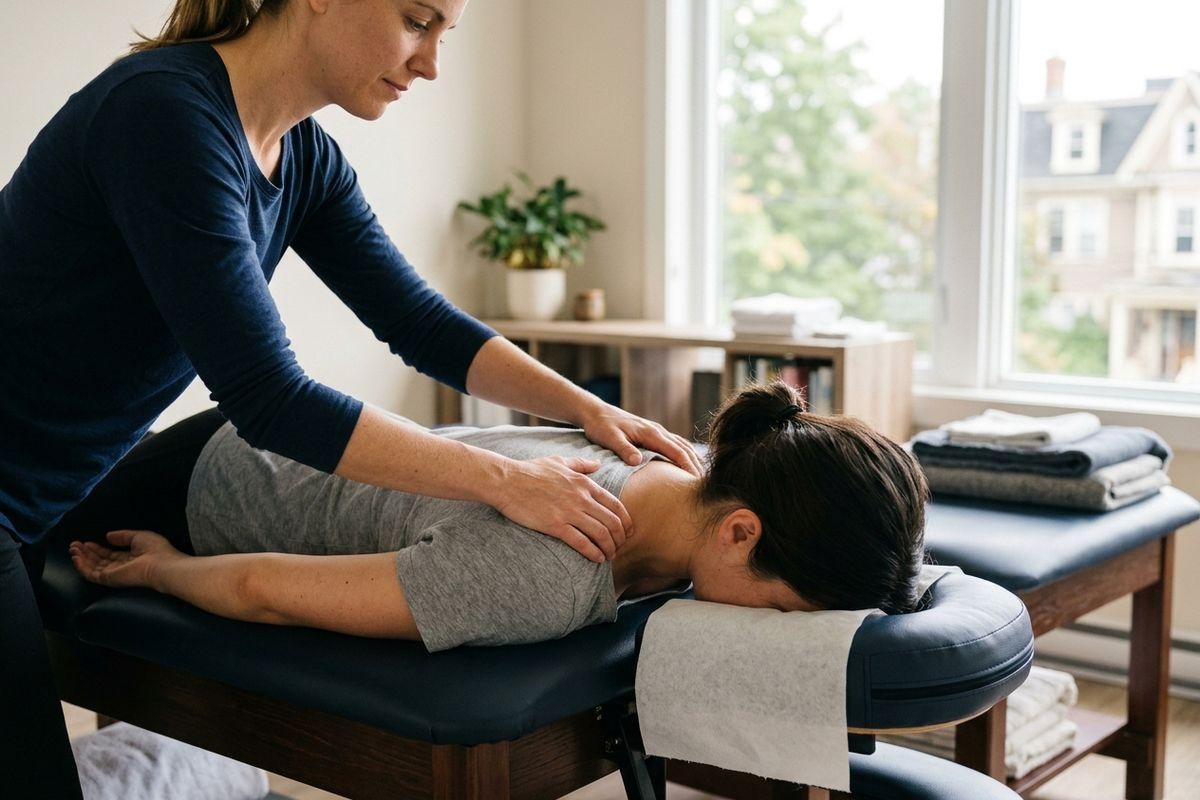
Hands-on therapy helps release those tight muscles. A physiotherapist can use gentle pressure and movement to loosen stiff spots along your neck and shoulders. For some people, easing that tension can help reduce headache intensity or frequency over time.
The work goes beyond short-term relief, too. A physiotherapist also looks at how you sit, stand, and move through your day. Small changes to your posture and movement patterns may help reduce how often your headaches show up.
Common Headache Triggers Physiotherapy Can Target
Headaches rarely come from nowhere. Often, the cause hides in your daily habits and the way you hold your body. Physiotherapy focuses on the physical triggers behind that pain.
Some of the most common triggers include:
- Tight neck and shoulder muscles that stay tense for hours
- Poor posture from long days hunched over a desk
- Jaw tension and stress that build up without you noticing
When you spend eight hours leaning toward a monitor, your neck muscles work overtime. That strain adds up. A physiotherapist can help you spot these patterns and ease the pressure they create.
Signs Your Headaches May Be Physical
Not every headache starts in your head. Some come from tension in your muscles and joints. A few clues can point to a physical cause.
Watch for these signs:
- Pain that starts at the base of your skull
- Stiffness when you turn or tilt your head
- Tightness that spreads across your forehead or temples
If these feel familiar, physiotherapy may help you understand whether physical factors are contributing. Sudden, severe, new, or unusual headaches, or headaches with neurological symptoms, should be assessed by a medical professional promptly.
What to Expect at Your First Visit
Starting care feels simpler once you know the steps. Your first visit sets the foundation for everything that follows.
A physiotherapist begins with an assessment of your neck and posture. They check how you move, where you feel tight, and what might be feeding your headaches. From there, they build a treatment plan shaped around your needs and goals.
Between visits, you can keep the progress going. Your physiotherapist may give you simple exercises to do at home. These small movements help keep your muscles loose and support the work you do in each session.
A Holistic & Collaborative Approach to Care
Headaches often have more than one cause. That is why care can work well when different treatments come together. Physiotherapy can pair with massage therapy or osteopathic manual therapy to support neck mobility, muscle tension, and daily comfort.
Stress can play a role too. When worry and tension build, your body may respond with more muscle guarding, poorer sleep, or pain flare-ups. Psychology support can help you manage stress-related pain from another angle.
Behind the scenes, the team can coordinate your care and share relevant notes. This connected approach means each practitioner has a better understanding of your full picture, so your treatment stays consistent.
Services That Work Together
Many services can support your headache care at once. Occupational therapy looks at your daily habits and helps you adjust the way you work, rest, and move. Small tweaks can take pressure off your neck and head.
A nurse practitioner may add another layer of support for your overall health when medical guidance is part of the plan. Together, these services can fill in the gaps that a single approach might miss.
Across the team, everyone works toward the same goals. That shared focus keeps your care moving in one clear direction.
How to Start Care at One to One Wellness
You can begin by booking an initial consultation with the team.
During that visit, share your headache history and patterns. Tell them when the pain shows up, how long it lasts, and what seems to set it off. These details help the team understand what your body needs.
From there, you can explore options that fit your symptoms, lifestyle, and goals. The right mix of care can help you move through your days with more support.
One to One Wellness in Halifax brings physiotherapy, massage therapy, psychology, occupational therapy, medical support, and more together under one roof. Book a consultation to start with an assessment and explore a care plan that fits your headaches, migraine symptoms, and daily life.