

We understand that when you live with cancer, the fatigue you feel is more than just being tired: It’s a deep exhaustion that can affect your entire life. At One to One Wellness, we create practical ways to manage cancer-related fatigue through gentle movement and the supportive therapies offered in our Cancer Rehabilitation Program.
A coordinated approach that combines personalized movement, therapeutic support, and personalized strategies can help you manage your energy levels and improve your quality of life. This collaborative process, guided by our interdisciplinary team, allows you to build strength and resilience at your own pace.
What Is Cancer-Related Fatigue?
Cancer-related fatigue is a persistent sense of physical, emotional, or cognitive tiredness related to cancer or its treatment. It’s different from the tiredness you might feel after a long day, and it often doesn’t get better with rest.
How Fatigue Affects Your Daily Life
This kind of fatigue can show up in many ways. You might notice:
- A heavy feeling in your arms and legs
- Difficulty with concentration or memory
- Lack of energy for routine activities
- Changes in sleep patterns
- Feelings of frustration or sadness
The Connection Between Fatigue, Pain & Your Well-Being
Fatigue, pain, and your emotional state are often linked. When you’re constantly tired, it can be harder to cope with pain and stress. This can create a cycle where fatigue worsens your mood, and a lower mood makes you feel even more tired. Addressing these connected issues often benefits from the support of more than one type of healthcare professional.
A Gentle Approach to Pain Management
Your physical and emotional health can be addressed together, which can support more effective care. Our approach to pain management focuses on your overall well-being, not just isolated symptoms.
Active Strategies to Boost Your Energy
Movement might seem like the last thing you want to do when you’re tired, but gentle activity can improve your energy levels, mood, and sleep. The key is to start slow and listen to your body. You don’t have to push yourself too hard to see a difference.
Find a Movement That Works for You
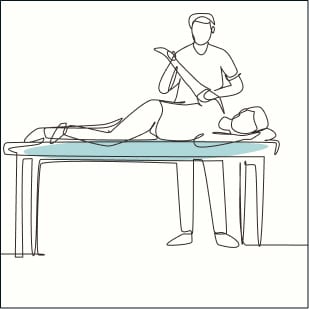
You can work with a physiotherapist or occupational therapist to find exercises that may suit your unique needs. These professionals can create a personalized plan to help you build strength and stamina safely, so you can conserve your energy for the things you enjoy. Gentle options often include:
- Walking
- Stretching programs
- Yoga or tai chi
- Swimming
Use Pacing to Conserve Energy
Pacing can help you stay active while reducing the chance of becoming overly fatigued. It’s a strategy rooted in balance, not stopping your activities. Breaking down larger tasks into smaller steps and planning for rest breaks throughout the day puts you in charge of your energy. This method can help you stay active without overdoing it.

Support for Body & Mind
Our program offers a collaborative approach to help you cope with cancer-related fatigue and build resilience. Multiple healthcare professionals work together to address your physical, emotional, and medical needs, including managing stress, improving sleep, easing muscle tension, and optimizing nutrition.
Mindfulness & Relaxation Methods
These techniques can help calm your nervous system and reduce stress. Simple practices like learning to breathe deeply or guided meditation can help you manage feelings like overwhelm, anxiety, and more. Our psychology team can guide you through evidence-based approaches to manage the emotional toll of fatigue and support better sleep.
Massage Therapy for Rest & Recovery
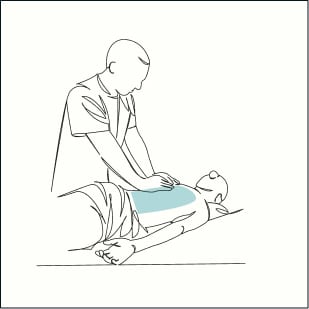
Gentle massage therapy can help ease muscle tension, promote relaxation, and improve sleep quality. For many people with cancer-related fatigue, regular massage sessions become an important part of their self-care routine, helping the body and mind feel more at ease.
Osteopathic Manual Therapy for Gentle Relief
Osteopathic manual therapy uses gentle, hands-on techniques to address tension, improve circulation, and support your body’s natural healing processes. For those experiencing cancer-related fatigue, this approach can help relieve discomfort and promote a greater sense of physical ease.
Medical Support & Nutrition Guidance
Our nurse practitioner can review your medications, address underlying health concerns, and offer guidance on nutrition to support your energy levels. Sometimes small adjustments to your medical care or diet can make a meaningful difference in how you feel day to day.
Create Your Personal Fatigue Management Plan
There is no 1-size-fits-all solution for cancer-related fatigue. A personalized plan considers your unique needs, lifestyle, and goals. It takes a team approach, empowering you to begin living well with chronic pain and feel more in control of your health.
Establish a Supportive Routine
A consistent daily schedule for sleep, meals, and activity can help regulate your energy. Aim for regular bed and wake times. You can also build small, enjoyable activities into each day to lift your spirits.
Connect with Your Support System
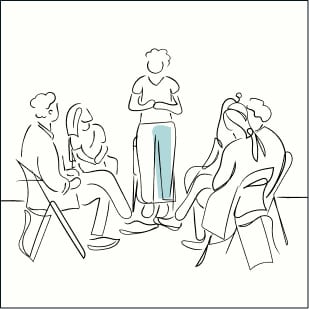
Lean on friends, family, or support groups when you need to. Sharing your experiences can reduce feelings of isolation. It can help provide valuable emotional support when you need it most.
Let’s Manage Fatigue Together
Navigating cancer-related fatigue is a journey, and you don’t have to do it alone. Our Cancer Rehabilitation Program brings together a range of healthcare professionals, such as physiotherapists, psychologists, massage therapists, and nurse practitioners, in a supportive, team-based environment.
Each professional contributes a unique perspective, and together, we work with you to develop a plan that addresses your specific symptoms and goals through movement therapy, education, medical support, and coping strategies.If you’re in Halifax and want to learn more about managing fatigue, we’d love to connect with you. Our team at One to One Wellness is here to help you find a path forward with personalized support. Let’s work together to improve your quality of life.