

When you live with pain or an injury, even the simplest parts of your day can feel like a challenge. Activities like getting dressed, making a meal, or enjoying a hobby might not be as easy as they once were.
An occupational therapist helps you participate in the daily activities that are important to you by finding practical solutions for the challenges you face. Occupational therapy is a personalized approach to therapy that’s designed to help you live more fully and independently.
At One to One Wellness, our goal is to help you get back to doing the things that matter to you, with less difficulty and more comfort.
A Focus on Your Everyday Activities & Goals
Occupational therapy is all about your ‘occupations’, the meaningful activities that occupy your time. Your therapist works with you to find practical solutions for challenges you may experience at home, work, or in your community.
Tasks at Home
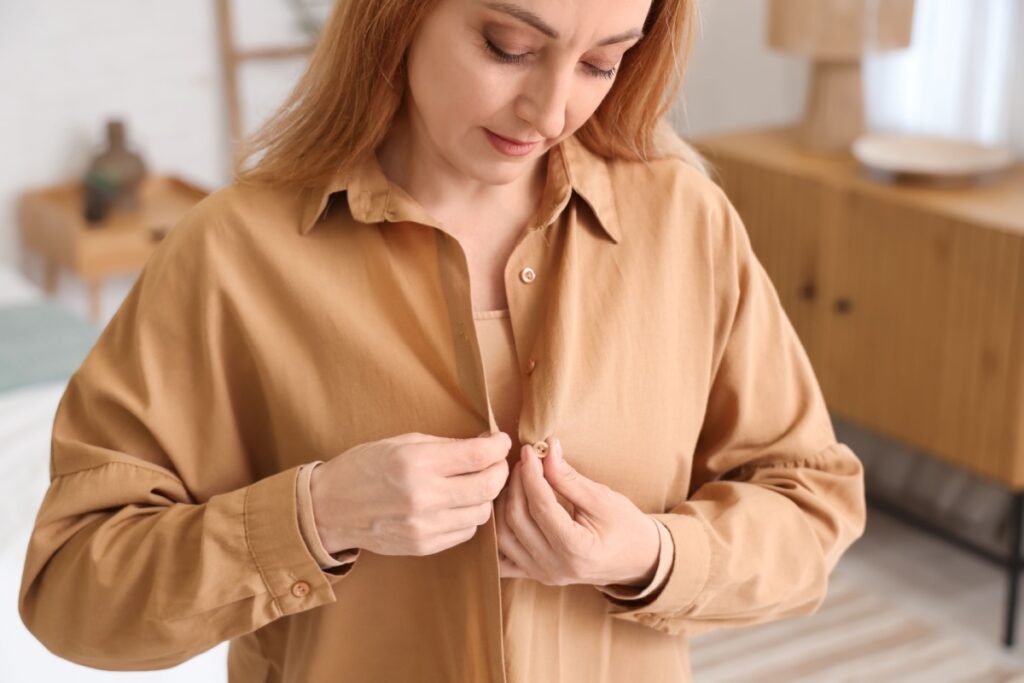
Your therapist can help you discover easier ways to manage personal care like showering and dressing. They can also show you techniques for cooking, cleaning, and other household chores that put less strain on your body.
Activities at Work
You can learn new strategies to manage your responsibilities and stay organized. An occupational therapist can help you arrange your workspace or find more comfortable ways to perform your job tasks, such as:
- Managing fatigue during long shifts
- Strategies for computer-intensive work
- Solutions for physically demanding jobs
- Return-to-work planning after injury
Hobbies & Leisure
Occupational therapy also supports your return to the hobbies and social activities that bring you joy. Whether it’s learning safe gardening practices, painting, or playing with your kids, the focus is on helping you get back to what you love.
The OT Role in Pain Management in Halifax
When you live with chronic pain, it affects everything. However, iInstead of just pushing through the pain, you can learn how to work with your body. Managing chronic pain involves developing new strategies, and your therapist can help you:
- Learn new ways to move that reduce strain
- Pace your activities to conserve energy & prevent flare-ups
- Use relaxation & stress management techniques
Adapt Your Environment
Sometimes small changes make a big difference. Your therapist may suggest simple adjustments to your routine, such as creating an ergonomic home office setup or reorganizing a kitchen cabinet, to make your daily routine less painful.
Learn Alongside Others
Our Pain Self-Management Program provides group support and education to help you build these skills alongside others facing similar challenges. You’ll gain practical tools while connecting with people who understand what you’re going through.
What to Expect During Your Appointment
Your first visit is a conversation. It’s a chance for you and the therapist to get to know each other and map out a path forward. The process is collaborative and focused on what you want to achieve.
A Conversation About You
You’ll discuss your health history, your daily routine, and the challenges that you expect to face. You can also talk about what you hope to accomplish through your therapy.
An Evaluation of Your Abilities
To get a clear picture of your needs, your therapist may observe how you perform certain movements or tasks. This helps them understand your physical abilities and where you might need support.
Create a Personalized Plan
Together, you’ll set meaningful and achievable goals. Your therapy plan is tailored completely to your needs, your home, your work, and your lifestyle, as it’s never a one-size-fits-all approach.
Practical Tools & Techniques for Your Life
An occupational therapist gives you practical, real-world solutions that you can use every single day. The goal is to build your independence and help you feel more in control of your daily life.
Adaptive Equipment Suggestions
You may get recommendations for tools that can make tasks easier and reduce strain throughout your day. This could include:
- Kitchen aids like jar openers, reachers, and adjustable cutting boards that reduce repetitive gripping and bending
- Ergonomic computer accessories such as split keyboards, vertical mice, or voice-to-text software for less demanding workdays
- Bathroom safety equipment like shower chairs, grab bars, and long-handled sponges for safer personal care
- Dressing aids including button hooks, sock aids, and elastic shoelaces that make getting ready easier
- Specialized tools for hobbies, whether that’s ergonomic gardening tools, book holders for reading, or adaptive art supplies
The right equipment is about finding solutions that let you keep doing what matters to you with greater ease and comfort.
Task Modification Education
You’ll also learn different ways to approach your daily activities. This might involve breaking a complex task into smaller, more manageable steps—a key component of a pain self-management program—to reduce pain and fatigue.
A Collaborative Approach to Your Wellness
Your health journey often involves more than one type of care. Occupational therapy fits into a broader wellness plan, working alongside other forms of healthcare for a more complete and coordinated effort.
Work With Your Health Team
Our team at One to One Wellness works together to support your progress. Your occupational therapist can collaborate with your physiotherapist on movement strategies, your psychologist on stress and pain coping techniques, your nurse practitioner on equipment prescriptions, and your massage therapist on tension management, all working together toward your goals.
Empower You for the Long Term
Our main goal is to equip you with skills, knowledge, and helpful strategies. This approach to self-empowerment in recovery helps you learn to manage your health and participate in the activities you value most, long after your sessions are complete.
If you’re looking for a personalized approach to help you navigate daily life more easily, our team at One to One Wellness in Halifax is here to support you. Don’t hesitate to contact us today.