

Patrick Wall, one of the world’s most respected researchers in the physiology of pain, once asked, “what are the appropriate motor responses to the arrival of injury signals [and pain]?” In other words, what movement is required to help someone avoid or relieve pain. To me, this ought to be the central question of physiotherapy for painful conditions. Thankfully, an increasing body of knowledge in neurobiology and pain science, is now available to help us answer this question.Wall essentially outlined three phases of response to a signal of pain:
- Reflexive withdrawal occurs when the body automatically reacts to remove or reduce the offending stimulus. This is obvious when we touch something hot, for example, but a similar muscular reaction occurs when pain results from certain movements. Overloading or excessive stretching results in muscle spasm.
- Guarding or avoidance are more conscious responses chosen to protect oneself from further injury or pain. While this may be helpful if tissue is actually damaged, very often pain occurs in the absence of injury and if movement is avoided the problem may worsen. Examination is important to help determine the underlying cause of pain and prevent it from becoming a chronic issue.
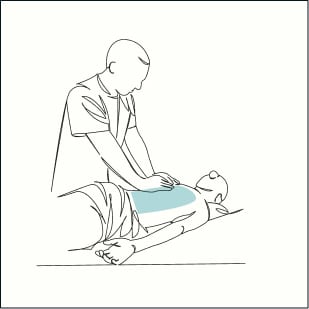
- Resolution often requires moving in a certain way to reduce sensitivity and improve mobility. This active phase is always required beyond relief from passive treatments like massage and manipulation if you want to achieve lasting results.
Patrick Wall identified these three phases as instinctive responses; however, many people continue to experience persistent pain well after the time expected for the healing of injuries. In our experience, people often remain stuck in phase one or phase two because they misunderstand pain and fear it means danger. In reality, a lot of pain results from tightness and sensitivity of the nervous system and the best response is actually working to restore normal mobility. This is not the same as a ‘no pain, no gain’ philosophy which can exacerbate symptoms. Rather it is carefully looking at the factors contributing to pain and moving in a way that helps transform the pain experience.

Partnering with
the Community
Our team is dedicated to educating the Halifax community and Canadians across the country, collaborating with supportive networks nationwide. We’re proud to work with:









Visit Our Location
We’re located in the Vertu building, located on Dresden Row and Artillery Place in Downtown Halifax. Underground parking is available.
Many of our practitioners also offer virtual appointments. Contact us to learn more about online sessions.

Our Address
- 1535 Dresden Row Suite 210
- Halifax, NS B3J 3T1
Contact Information
- Phone: 902-425-3775
- Fax: 902-425-3774
- Email: admin@121wellness.ca
Hours of Operation


About Us
Services
Conditions Treated
One To One Wellness
- 1535 Dresden Row Suite 210
- Halifax, NS B3J 3T1
- 902-425-3775
- 902-425-3774
- admin@121wellness.ca