
What Are Rehabilitation Services?
Rehabilitation services refer to all the healthcare professionals who provide support through recovery from surgery or an injury. This includes physicians, physiotherapists, occupational therapists, psychologists, massage therapists, and anyone else who contributes to your health and well-being.
At One to One Wellness, your rehabilitation is supported not only by individual healthcare providers but also through an interdisciplinary team approach. Our practitioners share information, recommendations, and referrals to support you throughout your recovery.
Our goal is to help you recover mobility, strength, and tolerance and reduce your pain effectively through your personalized treatment plan. Contact us today or book an assessment to get started.
Book Appointment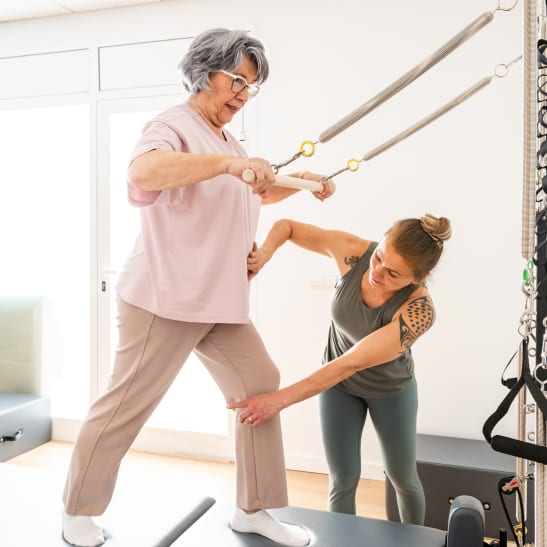
Support for Your Recovery
Recovery can be tough, whether from an injury, surgery, or car accident. Regardless of your situation, our team at One to One Wellness is here to support you.
With practitioners trained in a variety of disciplines, from physiotherapy to psychology, and osteopathy to occupational therapy, our team works together to design an integrated plan that addresses your pain and symptoms while setting you up for a strong and successful recovery.
Post-Operative Pain
Post-operative pain and related effects are common after surgery. Keep your doctors informed if you feel any discomfort following your surgery.
It’s natural to experience pain or see your movements become limited to a certain extent immediately after surgery. Your medical team can advise you on what to expect throughout the recovery process.
You may feel various types of postoperative pain that aren’t limited to the site of the surgery. Your throat may feel sore. You may feel discomfort in your neck, shoulders, and back. You may also experience pain when moving around or performing usual everyday activities, such as walking.
Integrating physiotherapy and/or occupational therapy into your recovery plan can help support your rehabilitation after surgery.
Benefits of Post-Operative Rehabilitation
A surgery is not over the moment you’re sent home. For your operation to be successful, hard work on your part is crucial. Often, physiotherapy is also done prior to an operation to enhance strength and mobility going into the surgery, and the process continues once you’re discharged.
Physiotherapists encourage you to exercise to increase the mobility of affected muscles and joints. Other benefits of a post-operative rehabilitation program include:
- Promoting a faster and safer recovery with fewer post-operative complications
- Helping to maintain the positive results of your surgery
- Making post-discharge care easier for you and your loved ones
- Enhancing confidence in yourself
Post-Operative Physiotherapy Treatment
Post-operative pain rehabilitation is used for various surgical procedures, such as orthopedic, cardiac, and abdominal surgery. These are surgeries that may have particular effects that physiotherapy can help ease. Treatment may include:
- Physical exercises: Your physiotherapist can guide you through exercises that help improve mobility, balance, coordination, posture, and range of movement.
- Environment adaptation: An occupational therapist can assist with adapting your home and/or work environment to help you function more independently during your recovery.
- Education: Part of the treatment includes educating you about restrictions in your movements that the surgery may have caused. Your physiotherapist can provide crucial knowledge that lets you move with confidence while supporting your healing.
Repetitive Strain Injury
Repetitive strain injury (RSI) refers to pain associated with repetitive movement and overuse of nerves and muscles. It can be felt in almost all body parts. Because of its nature, RSI is also referred to as repetitive motion injury and repetitive motion disorder.
Common examples of RSI include carpal tunnel syndrome, tendinitis, and bursitis.
Repetitive strain injury has various symptoms that can range from mild to severe. Some of these symptoms include:
- Pain in the affected joint or body part
- Throbbing
- Stiffness
- Numbness or loss of sensation
- Weakness in the affected area
The causes of repetitive strain injury can vary widely. Some examples of factors and activities that are linked to increased risks of developing RSI include:
- Poor posture
- Overuse of muscles
- Repetitive activities
- Vibrating equipment
- Cold temperatures
- Psychological stress
- Fatigue
- Carrying heavy loads
- High-intensity workout done for an extended period
Prevent repetitive strain injury with these simple tips.
- Use proper posture when working to help reduce strain on your joints, muscles, and nerves.
- Avoid applying too much force in any given activity and take rests.
- Warm up before participating in any physical activity.
- Avoid standing or sitting for too long. Do some stretching and make it a habit to switch postures often.
- Add some daily activity, such as a walk, a workout, or an exercise class, to maintain mobility and movement, especially if you have a sedentary job or typical routine.
- Give the muscles you’re using regularly a rest. If you’re already using your hands heavily, try other activities that require the use of other body parts, such as walking.
Treatments for a Repetitive Strain Injury
Treating RSI starts with identifying its cause. If it is found to be related to a specific activity, you may have to refrain from engaging in it or change how you participate in it. Some common types of treatment for RSI include:
- Applying a hot or cold pack to the affected area may help relieve pain. Be sure to check its temperature before putting it against your skin.
- Physiotherapy can be used to help you cope with everyday activities, treat the affected area, and teach you how to prevent your injuries from worsening. Your physiotherapy plan may involve exercises that enhance flexibility, strength, and treat areas with trapped nerves.
- Your physician may also recommend the use of painkillers, antidepressants, muscle relaxants, and sleeping pills, if necessary.
- You may also use an elastic support brace or splints to help relieve strain and pain on affected tendons.
- Surgery may also be performed as a final resort should other treatment methods fail to correct the issue.
Sports Injuries
According to Statistics Canada, in 2009-2010, an estimated 4.27 million Canadians ages 12 or older suffered an injury that interfered with their usual activities. Among adolescents, 2 out of 3, or 66% of injuries, were sports-related. Meanwhile, sports and work were linked to almost half, or 47%, of injuries among adults.
Engaging in sports comes with health and psychological benefits. There are instances when a sports injury occurs, but thankfully, this can be treated. Participating in a sports injury rehabilitation program with the guidance of a physiotherapist is one way you can recover from sports injuries.
Common Sports Injuries
Some common sports injuries that we treat at One to One Wellness include:
- Muscle strains
- Ankle sprains
- Muscular pain
- Muscle tears
- Lower back pain
- Fractures (we help rehabilitate affected muscles, nerves, and flexibility after the bone has healed)
Sports Injury Rehabilitation Program and Physiotherapy
During a sports injury rehabilitation program, physiotherapists help you treat pain and recover from your injury so you can get back to the activities you love. Apart from the treatment itself, carefully-chosen exercises are also incorporated in your program.
Here’s what you can expect from your sports injury rehabilitation program.
- The inclusion of targeted exercises to improve the function of the affected area
- Personalized exercise routine to allow you greater mobility
- Relieve pain and discomfort from the injury site so you can perform like you want to again
- Educate you to help you avoid similar sports-related injuries
Every treatment plan is unique in that it is based on the patient’s specific needs and goals.
During your first appointment with your physiotherapist, you will be asked about the specific activity that caused your injury. You’ll also discuss your medical history, and the injured body part will be evaluated. Your physiotherapist will recommend a comprehensive treatment plan based on the results of your initial examination.
Motor Vehicle Accident Rehabilitation
We know being involved in a motor vehicle accident can be overwhelming. Our experienced team works together to help you recover and manage any injuries sustained in motor vehicle accidents.
Motor Vehicle Accident Assessments
Most often, you will be assessed by one of our physiotherapists to help diagnose injuries such as concussions, whiplash, sprains/strains, and other injuries that may have occurred.
Your assessment will include sharing a detailed history of the accident, a physical assessment to check the range of movement and affected joints, and performing diagnostic tests.
After this assessment, your physiotherapist will educate you on your injuries and work with you to set goals for your treatment plan. You may be referred to other team members if it’s determined appropriate and beneficial by you and your physiotherapist.
All you have to worry about is getting better. Though insurance does vary, this cost can be covered through your motor vehicle insurance company. If your insurance company does cover our services, our clinic will direct bill your insurance company.
At your first visit, our administrative team will collect your insurance information, including your case manager and your claim number. Depending on whether you are in-protocol or out of protocol, we may have to collect your extended health benefits plan. Because every case is different, a more detailed discussion can happen at the clinic.
A motor vehicle accident is a traumatic event and can instantly change our lives in a variety of ways, including severely impacting our mental health. If you answer yes to any of the following questions, then it is worthwhile to discuss with your healthcare team how a psychologist can help:
- Are you finding yourself reliving or thinking about the accident on a regular basis?
- Are you feeling anxious about returning to driving or returning to work/daily activities?
- Are you angry that you were in a motor vehicle accident?
- Have you had pain as a result of your accident for over 3 months?
Motor Vehicle Accident Treatments
During your treatment plan, you may see any combination of the following practitioners:
- Physiotherapist: A physiotherapist may perform your initial assessment. They can also support you in regaining muscle function, strength, flexibility, and range of movement, depending on your injuries.
- Osteopathic manual therapist: Osteopathy can help improve pain, promote balance and healing, and treat trauma from the accident.
- Massage therapist: Massage can help reduce pain, promote relaxation of your muscles and soft tissues, and improve overall mobility and tolerance to daily activities.
- Psychologist: Counselling sessions with a psychologist can help you process the trauma of the accident and develop coping strategies to handle the anxiety that arises after your accident.
Find Rehabilitative Support at One to One
At One to One Wellness, your well-being is our focus. We are committed to a patient-centred approach, delivered by a team of experienced professionals dedicated to providing quality, evidence-based care. We integrate innovative techniques and practices into every personalized treatment plan.
Our mission is to empower you with the knowledge and strategies necessary to regain control and enhance your quality of life. Whether you are recovering from an injury or preparing for surgery, we encourage you to discover how One to One Wellness can support your journey. Contact us today or book an assessment to get started.
Book Appointment

Partnering with
the Community
Our team is dedicated to educating the Halifax community and Canadians across the country, collaborating with supportive networks nationwide. We’re proud to work with:





Visit Our Location
We’re located in the Vertu building, located on Dresden Row and Artillery Place in Downtown Halifax. Underground parking is available.
Many of our practitioners also offer virtual appointments. Contact us to learn more about online sessions.

Our Address
- 1535 Dresden Row Suite 210
- Halifax, NS B3J 3T1
Contact Information
- Phone: 902-425-3775
- Fax: 902-425-3774
- Email: admin@121wellness.ca
Hours of Operation


About Us
Services
Conditions Treated
One To One Wellness
- 1535 Dresden Row Suite 210
- Halifax, NS B3J 3T1
- 902-425-3775
- 902-425-3774
- admin@121wellness.ca