
Pain Management for Improved Wellness
Pain is disruptive. It can force us to cancel plans, get distracted at work, skip daily exercise, and miss out on important moments with our family and friends.
However, living with pain does not mean pushing through alone and without support. Our team at One to One Wellness is focused on determining the root cause of your symptoms and building a treatment plan that includes finding relief and building strength and mobility to not only reduce pain today but also make its recurrence less likely.
Whether you’re dealing with acute pain from an injury or a strained muscle, or you’ve been experiencing chronic, ongoing pain, we’re here to help you regain functional mobility.
Book your appointment for an initial assessment or free screening today.
Book Appointment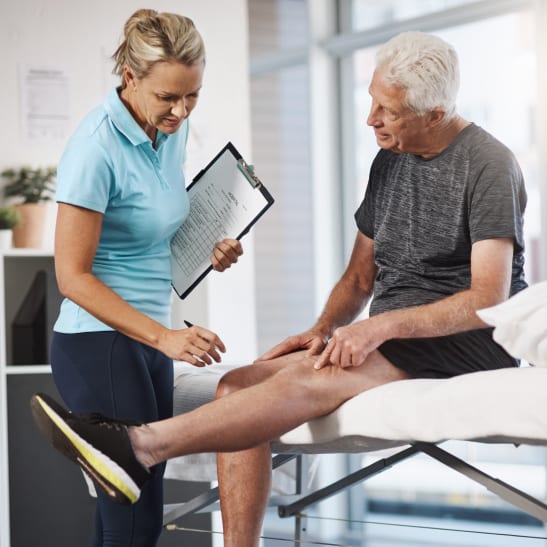
Pain Self-Management Program
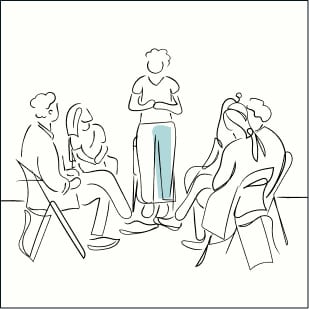
For those experiencing chronic pain, we also offer a pain self-management program that focuses on the physical, mental, and social aspects of living with chronic pain.
This is a 4-week program with up to 10 participants that includes patient education, goal setting, pacing, and communication strategies to help you manage your pain across various areas of your life.
Acute and Chronic Back Pain
Acute and chronic back pain are common issues among adults. At some point in our lives, most of us will experience it. There are several factors that can trigger this, such as aging, an accident, lack of exercise, and many others.
The pain can be sudden or increase over time. Either way, when the pain becomes too much to handle, it can also result in absences from work or missed appointments. In some cases, it can also lead to longer-term disability if left untreated.
Back pain is often classified as acute or chronic.
- Acute pain: Short-term back pain that subsides within days or weeks. Typically, acute pain can heal without medications or complex treatments, with the support of manual therapy, lifestyle changes, or exercises. However, left untreated, acute pain can become chronic.
- Chronic pain: Pain that lasts up to 12 weeks or longer. In many cases, you can still feel pain after the underlying cause has been treated.
Factors that can trigger lower back pain include:
- Sedentary lifestyle
- Age
- Weight
- Nature of occupation, such as jobs that require heavy lifting, pulling, or sitting at a computer all day
- Mental state, including stress and anxiety
- Pregnancy
Treatments for Back Pain
Treatments for a sore back can depend on whether you’re experiencing acute or chronic pain. The treatments recommended by your practitioner may vary, but common types of treatments include:
- Hot and cold therapy: Exposing the affected area to heat can help promote blood flow, delivering nutrients and oxygen to the area. Contrastingly, cold therapy or an ice pack reduces inflammation and swelling. If you do these therapies on your own, remember not to apply heat or cold directly to the skin. For example, wrap the ice in a towel first.
- Exercise: While rest is important when your back is aching, too much sedentary time can also be harmful. Incorporating gentle exercise into your daily routine can help lessen the pain. Your physiotherapist can recommend exercises specific to you.
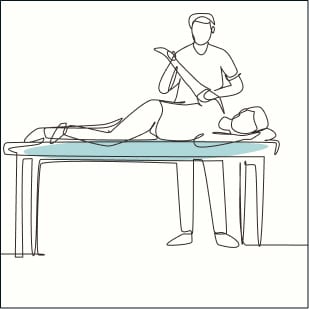
- Physiotherapy: Physiotherapy sessions can help reduce pain, increase mobility, restore strength, and improve activity tolerance. The goal of physiotherapy is to help patients ease body pain and improve function.
Knee Pain
Knee pain can reduce your ability to perform daily activities or enjoy pastimes. This can include the ability to run, climb stairs, or play sports.
While knee pain can impair your ability to be active, it’s important not to avoid activity altogether. Booking an appointment with a physiotherapist can be a great way to find safe, beneficial exercises you can do to strengthen your core, hips, knees, and ankles, and increase your mobility to support your knees and reduce your pain.
What Causes Knee Pain?
There can be many causes of sore knees, so an assessment is important to determine the right treatment approach. Some possible sources of knee pain include:
- Ligament sprains (MCL, LCL, ACL, PCL)
- Tendinopathy or muscle strains
- Meniscal tears
- Saphenous nerve entrapment
- Osteoarthritis
Treatments for Knee Pain
The first step before treatment is to get assessed. An assessment by a professional, such as a medical practitioner, osteopathic manual therapist, or physiotherapist, can help determine the cause of your pain. Once the cause has been diagnosed, your practitioner can recommend treatments, which may include:
- Manual therapy: Helps reduce tension and increase blood flow to promote healing. Your physiotherapist can perform manual therapy during your session, or may recommend you to an osteopath or massage therapist for longer sessions.
- Nerve mobilization: Can help nerves get more breathing room. There are many nerves that pass by the knee joint that may need a little more blood flow and movement, including the saphenous and femoral nerves along the front, and the sciatic nerve branches (the tibial and peroneal nerves) along the back.
- Strengthening exercises: Strengthening exercises will vary depending on the root cause of the pain. Your physiotherapist can work with you to develop a plan of strengthening exercises based on your needs.
- Mobility exercises: Help to keep everything moving and functional. Your physiotherapist can provide some mobility exercises that keep your joints moving without putting strain on your knees and affected muscles or ligaments.
Neck Pain and Whiplash
Neck pain and whiplash can make it hard to perform everyday tasks, even walking. Daily pain can be distracting from work and other responsibilities, making it difficult to keep up.
Whiplash is a neck injury that occurs when the head is suddenly thrust forward and then backward. Whiplash affects the soft tissues of the body, including muscles, tendons, ligaments, and nerves. When a whiplash injury occurs, the soft tissues of the neck are torn and stretched beyond their natural limits, leading to inflammation and pain.
Whiplash, in particular, can cause you worry, as symptoms don’t always show right after the incident that causes it. While your level of pain and discomfort may vary from day to day or even from morning to night, most people recover within weeks—especially with the right treatment and management.
Neck pain refers to any pain or discomfort in your neck, including but not limited to whiplash. Some of the common causes of neck pain include:
- Aging
- Physical strain
- Poor posture
- Mental stress or tension
- Underlying health conditions
- Injuries, such as whiplash
Whiplash is commonly associated with rear-end car accidents, but there are other causes that can affect anyone, including:
- Contact sports
- Horseback riding
- Amusement park rides
- Cycling accidents
- Physical abuse or child abuse (such as shaken baby syndrome)
- Severe head injury or trauma
Signs and symptoms of whiplash can develop days after the incident. Symptoms include:
- Neck soreness and stiffness
- Headaches
- Neck pain with movement
- Arm and shoulder pain and numbness
- Blurred vision
- Fatigue
- Dizziness
If you experience nausea or problems with your vision, as well as the loss of movement, or suspect a possible fracture, seek medical attention immediately.
Early diagnosis and treatment can prevent worsening issues.
Treatments for Neck Pain and Whiplash
The management, treatment plan, and recovery period for neck pain and whiplash injuries differ for each situation. Physiotherapy is one treatment option to help with your neck pain or whiplash. A physiotherapist can work with you to examine the affected area and recommend a personalized treatment plan.
Specific treatments may include:
- Hot and cold therapy: Exposing the affected area to heat can help promote blood flow, delivering nutrients and oxygen to the area. Contrastingly, cold therapy or an ice pack reduces inflammation and swelling.
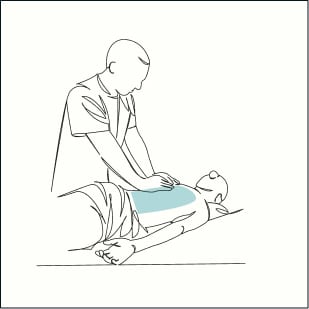
- Deep tissue massage: This passive therapy involves the use of direct pressure to eliminate tension in the soft tissues and facilitate recovery. Physiotherapists and massage therapists are trained to use their hands to massage soft tissues and restore function.
- Ultrasound: An ultrasound can help stimulate blood flow, relax tensed muscles, and reduce stiffness, cramping, and pain. The device sends heat into the muscle tissues, which then improves circulation.
- Gentle, guided exercises: Exercises recommended by a physiotherapist can help you improve your strength and joint function. Following the guidance of a professional is important, as proper execution of the exercises is crucial to prevent straining the affected area.
Put Pain on Hold and Get Back to Living
Living with pain can force you to put your life on hold. By meeting with a physiotherapist, osteopath, or medical practitioner, you can begin to focus on healing and getting back to the things that are important.
Whether your treatment plan includes manual therapy, strengthening and mobility exercises, or other therapies, both at-home and in the clinic, rest assured, it will be based on your assessment and evidence-based practices used to treat your condition.
Our goal at One to One Wellness is to support your journey to better wellness. We know that this journey looks different for everyone, and we’re committed to walking that road with you, providing support and guidance along the way.
Book your initial assessment today or contact us for a free screening.
Book Appointment
Partnering with
the Community
Our team is dedicated to educating the Halifax community and Canadians across the country, collaborating with supportive networks nationwide. We’re proud to work with:








Visit Our Location
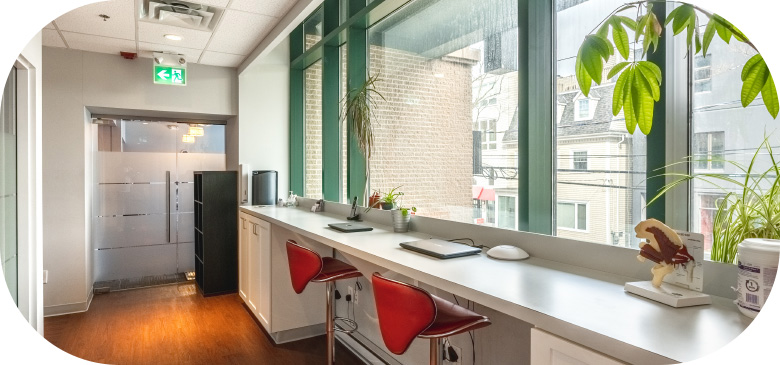
We’re located in the Vertu building, located on Dresden Row and Artillery Place in Downtown Halifax. Underground parking is available.
Many of our practitioners also offer virtual appointments. Contact us to learn more about online sessions.
Our Address
- 1535 Dresden Row Suite 210
- Halifax, NS B3J 3T1
Contact Information
- Phone: 902-425-3775
- Fax: 902-425-3774
- Email: admin@121wellness.ca
Hours of Operation

About Us
Services
Conditions Treated
One To One Wellness
- 1535 Dresden Row Suite 210
- Halifax, NS B3J 3T1
- 902-425-3775
- 902-425-3774
- admin@121wellness.ca