
Diagnosing and Managing Neurological Conditions
Head pain, whether it is caused by migraine, chronic headaches, or an injury, can impact your day-to-day life. Chronic headaches can affect your ability to attend classes, play sports, exercise, or work.
Our team at One to One Wellness is familiar with various neurological conditions and brain injuries, including migraine, chronic headaches, concussions, and post-concussion syndrome. Our interdisciplinary team works together to develop a treatment plan that both addresses your symptoms and their underlying cause to help reduce your symptoms and manage your pain.
Book your appointment with our team today.
Book Appointment
Meet Our Interdisciplinary Team
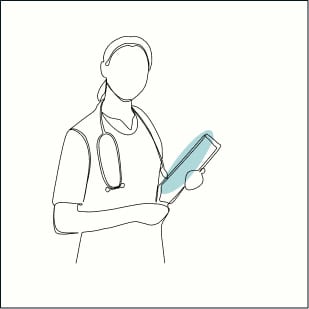
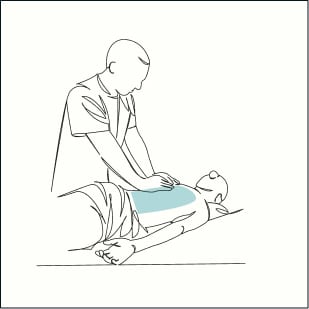
At One to One Wellness, your treatment team may include practitioners from various disciplines, such as physiotherapists, osteopathic manual therapists, massage therapists, and physicians or nurse practitioners.
Each of these practitioners is focused on a different area of wellness and pain management, and works together to develop a treatment plan that suits your individual needs. By working together, we involve different perspectives and knowledge while reducing the burden on you to communicate with different healthcare professionals.
Migraine and Headaches
Both migraine and other headaches can be disruptive to your daily life. Those living with migraine or chronic headaches may experience interruptions to work, family responsibilities, and daily life.
Finding relief and managing headaches and migraine can be complex. Often, effective treatment plans involve multiple practitioners and methods, such as medication, physiotherapy, massage, and more.
Depending on your condition, as well as the symptoms that you experience, our team will work together to provide a comprehensive plan that seeks to reduce your pain and manage the frequency and severity of future attacks.
Migraine usually starts to develop during childhood or early adulthood. A migraine attack can come in 4 stages, although not everyone experiences each stage.
- Stage 1: Known as the prodrome stage, this stage occurs before a migraine attack and may include symptoms such as mood changes, food cravings, and constipation.
- Stage 2: Known as the aura stage, aura includes visual and sensory disturbances, such as dots, zigzags, sparks in your vision or even vision loss, as well as tinnitus, dizziness, numbness, or difficulty speaking. Many people with migraine don’t experience aura.
- Stage 3: This stage refers to the migraine attack itself. Many people experience sharp or pulsing pain on one or both sides of the head, sensory sensitivities to light and sound, and nausea or vomiting.
- Stage 4: Known as postdrome, the final stage of a migraine attack can leave you feeling exhuasted, dizzy, or confused. Though it can vary between individuals, this stage usually lasts for about 24 hours.
There are several factors that may trigger the onset of a migraine attack. Triggers can be highly personal, but some common ones include:
- Decrease in serotonin levels: An imbalance in brain chemicals that help control pain in the nervous system may trigger migraines.
- Family history: You may be at a higher risk of developing migraine if you have a family history of the condition.
- Caffeinated drinks: Beverages high in caffeine can trigger migraine attacks for some individuals.
- Poor sleep: Changes in sleep patterns, a lack of sleep, or oversleeping may also trigger an attack.
- Changes in the environment: Sudden changes in temperature or weather may provoke a migraine attack.
- Physical factors: Intense physical activity can contribute to migraine attacks.
- Hormonal factors: Women are more likely to develop migraines, especially during puberty and beyond. Hormonal fluctuations in women can also trigger migraine attacks.
- Age: Migraines can occur at any age, but attacks tend to peak during a person’s 30s.
Not all chronic headaches are migraine headaches. Other headaches, such as tension, cluster, sinus, and cervicogenic headaches, can also cause debilitating pain.
It is important to identify the type of headache you are experiencing with the help of a medical professional, so you can receive proper care. An appointment with a physician or nurse practitioner can be a good place to start.
- Tension headache: Tension headaches cause mild to moderate pressure and pain, usually in a band around the head and over the temples. It may feel like something is squeezing the sides of your head together. Other signs of tension headaches include aching or tight muscles in the neck and shoulders, and sensitivity to light and sound.
- Cluster headache: Cluster headaches cause extreme, sharp, or stabbing pain, usually in, behind, or around one eye. The pain can spread to other areas of the face, head, and neck. A cluster period may last several weeks to months. Treatment can help reduce the number of attacks, shorten their duration, and lessen the pain.
- Cervicogenic headache: Cervicogenic headaches are secondary headaches caused by an underlying conditions such as a pinched nerve in your neck. Symptoms of a cervicogenic headahce includes one-sided head pain that may start at the bottom of your head and radiate up one side or to the front, behind your eyes. You may also notice a limited range of movement in your neck, or your headache worsens with neck movement.
Treatments to Manage Headaches and Migraine
The first step in treatment migraine and headaches is identifying the type of headache you’re experiencing. Work with your primary care provider or the medical practitioners at One to One Wellness to receive a diagnosis.
Once the type of headache you’re experiencing has been identified, you can begin to build a treatment plan with your healthcare team. This may include physiotherapy, massage therapy, and osteopathic manual therapy, among other pain management strategies.
- Osteopathic manual therapy: Helps to minimize muscle tension and ease headaches. Osteopathic manual therapy seeks to rebalance the body structure and functions for less stress, pain, and dysfunction.
- Physiotherapy: Helps to reduce stress and tension affecting your muscles and joints, particularly those around your head, neck, and shoulders. Physiotherapists can also address any issues involving posture and physical strength that may be contributing to your pain.
- Massage therapy: Helps to reduce tension and stress in the body and pull your nervous system out of fight or flight. This can help improve oxygen flow, balance hormone levels, regulate sleep patterns, and help your body find restorative rest.
Concussion Management
A concussion is a type of traumatic brain injury (TBI) caused by a hit to the body, or a bump, blow, or jolt to the head that causes the head and brain to move rapidly back and forth. This sudden movement causes the brain to bounce around or twist in the skull, creating chemical changes in the brain and sometimes stretching and damaging brain cells.
Put simply, a concussion changes the way the brain functions.
While concussions commonly affect athletes, especially those in high-contact sports, anyone can suffer a concussion. We offer concussion management for patients from all walks of life, including athletes, adults, and children.
Many symptoms related to concussions resolve in a relatively short timeframe (from a few days to a few weeks). However, some people may experience symptoms for months after their injury.
If your symptoms persist beyond 3-4 weeks, it’s important that you undergo a proper assessment by a practitioner with training in concussion management to receive the right education and management strategies for your condition.
If you have received a blow to the head and suspect you may have a concussion, here are some of the symptoms to watch for:
- Headache or neck pain
- Dizziness or loss of balance
- Nausea or Vomiting
- Poor coordination or decreased playing ability
- Poor concentration or easily distracted
- Feeling “foggy”, confused, or having a poor memory
- Seeing “flashing lights” or “stars”
- Blurred or double vision and/or ringing in your ears (tinnitus)
- Irritability or emotional changes
- Drowsiness/fatigue or difficulty falling asleep
- Feeling “off” or not like oneself
- Sensitive to noise/light/sound or movement
Post-Concussion Syndrome (PCS) is a diagnostic term used when symptoms persist for several weeks and sometimes months after the injury. If untreated, PCS can lead to persistent difficulties at work or school, considerable discomfort, and/or depression. These symptoms can also worsen as time goes on.
With PCS, there is often dysfunction of the visual system. Not necessarily in sharpness or acuity of sight, but rather binocular vision dysfunctions (the coordination of both eyes for visual input).
These dysfunctions are identified with a Vestibular Ocular Motor Screening (VOMS) for a concussion. This screening is performed by practitioners trained in concussion management and is one of the first evaluations performed by our concussion management team at One to One Wellness.
Treatment for Concussion and Post-Concussion Syndrome
One to One Wellness Centre’s concussion management program offers a comprehensive concussion diagnosis, management, and rehabilitation therapy.
Through an interdisciplinary approach that incorporates physiotherapy, osteopathic manual therapy, massage therapy, and athletic training, the team at One to One collaborates to support the individual patient’s needs and help them identify and overcome obstacles to recovery.
Concussion management is highly individualized to the patient’s needs. Our program starts the moment you walk in the door. We offer noise cancellation headphones, earplugs, and sunglasses in our reception to help minimize the impact on your condition.
Your visit will likely begin with VOMS testing, a quick and non-invasive evaluation that checks the parts of the brain that integrate vision, balance, and movement. The test takes about 10 minutes or less and provides immediate results, which inform the course of treatment, referral to other healthcare professionals, and how to plan for a return to play, school, or work.
Find Support for Chronic Neurological Conditions and Brain Injuries
Whether you’re experiencing a chronic condition such as migraine or headaches, or you’ve experienced or suspect a concussion, our team at One to One Wellness is here to support you. By meeting with a team of physiotherapists, osteopaths, massage therapists, or medical practitioners, you can begin to focus on healing and getting back to the things that are important.
Your treatment plan may include medication, manual therapy, strengthening and mobility exercises, or other therapies, both at-home and in the clinic, based on your assessment and evidence-based practices used to treat your condition.
Our goal at One to One Wellness is to support your journey to better wellness. We know that this journey looks different for everyone, and we’re committed to walking that road with you, providing support and guidance along the way.
Book your initial assessment today or contact us for a free screening.
Book Appointment
Partnering with
the Community
Our team is dedicated to educating the Halifax community and Canadians across the country, collaborating with supportive networks nationwide. We’re proud to work with:









Visit Our Location
We’re located in the Vertu building, located on Dresden Row and Artillery Place in Downtown Halifax. Underground parking is available.
Many of our practitioners also offer virtual appointments. Contact us to learn more about online sessions.

Our Address
- 1535 Dresden Row Suite 210
- Halifax, NS B3J 3T1
Contact Information
- Phone: 902-425-3775
- Fax: 902-425-3774
- Email: admin@121wellness.ca
Hours of Operation


About Us
Services
Conditions Treated
One To One Wellness
- 1535 Dresden Row Suite 210
- Halifax, NS B3J 3T1
- 902-425-3775
- 902-425-3774
- admin@121wellness.ca