
Addressing the Needs of Complex Conditions
Living with a chronic, complex condition can be debilitating as well as isolating. Many of these conditions, such as chronic fatigue syndrome, complex regional pain syndrome, and fibromyalgia, are difficult to diagnose and misunderstood, leaving you in pain and without reliable information.
Our team at One to One Wellness works together to provide wrap-around guidance, from physical therapy to psychological support, that helps you manage your pain and increases your ability to participate in daily activities. We can also provide communication strategies that can help you express your experience or needs to other healthcare providers, loved ones, and employers.
Our team is here to support your journey to better health with a personalized plan tailored to you and your condition. Get started by booking an initial assessment or free screening.
Book Appointment
Pain Self-Management Program
Living with a chronic condition can leave you feeling stuck, waiting for a treatment that brings relief and lets you get back to your life.
Our 4-week pain self-management program focuses on the physical, mental, and social aspects of living with chronic pain. With emphasis on patient education, goal setting, pacing, and communication strategies, this program aims to help you manage your pain across various areas of your life.
Arthritis
Arthritis is the inflammation and tenderness of one or more joints. There are over 100 different types of arthritis, and most of them are characterized by stiffness, redness of the skin around the joint, swelling, and pain.
Although arthritis is thought to be more common among seniors aged 65 and older, it affects people of all ages, including kids. According to the Public Health Agency of Canada, it’s one of the most common health conditions and causes of physical disability in Canada.
Arthritis can lead to difficulty doing common everyday tasks. There is no known cure for arthritis, but there are several effective treatments for it, including physiotherapy.
Tips to Manage Arthritis
Your physician and physiotherapist can help you manage your joint pain, but your mindset also plays an important role. Some tips to help you cope with arthritis include:
- Stay active. Keep your muscles and joints working with the guidance of your physiotherapist.
- Pace yourself. Avoid overusing joints that are affected by arthritis.
- Keep a healthy diet. Eat a balanced, healthy diet and keep track of your weight. When your body is too heavy, it may strain your joints.
- Maintain proper posture. Doing so will help distribute your weight evenly so you can avoid stressing affected joints.
- Apply cooling packs to the affected area. This may help relieve pain. Be sure to follow your physiotherapist’s instructions when applying cooling packs to arthritic joints.
Treatments to Manage Arthritis
Arthritis treatment begins with a diagnosis, usually from your primary care provider or a physician or nurse practitioner at One to One. Your physician may also prescribe medications to help manage the pain.
However, it is important to keep moving when you have arthritis. A physiotherapist can work with you to plan guided movements that help you maintain mobility and reduce pain without straining arthritic joints. Physiotherapists are skilled and trained to help you move around and continue exercising with confidence. Exercises can include simple day-to-day activities such as walking or climbing the stairs.
The goal of physiotherapy for arthritis is to help you improve mobility and restore the function of the affected joints in your body. When you’re able to manage the effects of arthritis, you can continue living an active lifestyle and engaging in sports or activities that you love.
Your care team at One to One may also recommend seeing an osteopathic manual therapist or occupational therapist as part of your treatment plan. The former can help relieve some of your pain and encourage better blood flow and healing, while the latter can help you modify your home or work environment to maintain your daily comfort and independence.
Chronic Fatigue Syndrome (ME/CFS)
Chronic fatigue syndrome, also called myalgic encephalomyelitis or ME/CFS, is a debilitating chronic condition characterized by persistent fatigue. The fatigue or tiredness can go on for 6 months or even longer, limiting a person’s ability to participate in normal everyday activities.
There is no specific test to diagnose ME/CFS, so you may need to undergo various exams in order to rule out other possible health issues. Treatment tailored to the symptoms that the patient experiences.
A recent survey suggests that ME/CFS may be more common among Canadians than previously thought. Around 560,000 Canadians report having chronic fatigue syndrome, suggesting that the condition may be more prevalent than breast cancer, Parkinson’s disease, and multiple sclerosis combined.
The cause of chronic fatigue syndrome is yet to be discovered, but there are theories linking it to impairment of the immune system and psychological stress, among others. Some symptoms of ME/CFS include:
- Persistent fatigue or extreme exhaustion
- Feeling ill after engaging in physical exercises
- Loss of focus or memory
- Frequent or recurring headaches
- Poor sleep
- Sore throat
- Muscle and or joint pain
- Tender lymph nodes in your armpits and neck
While the cause of ME/CFS is still unknown, certain factors have been linked to a possible increased risk of developing the condition, including:
- Age: Chronic fatigue syndrome is most common among adults in their 40s to 50s.
- Sex: Women are more likely to be diagnosed with chronic fatigue syndrome.
- Infections: Some people develop ME/CFS after recovering from a viral or bacterial infection, including COVID-19.
- Physical or emotional stress or trauma: Some people develop ME/CFS after experiencing an injury, surgery, or significant emotional stress.
- Other medical problems: People with other complex medical problems, such as fibromyalgia or postural orthostatic tachycardia syndrome (POTS), may be more likely to develop ME/CFS.
Treatments to Manage ME/CFS
Physiotherapy and occupational therapy can help you manage life with chronic fatigue syndrome. Additionally, as depression and other conditions are often associated with ME/CFS, your practitioners may refer you to other specialists, including a psychologist, should you request or if they recognize a need for it.
You and your physiotherapist will work together to develop a treatment plan that helps address your symptoms. Your treatment will be designed to help alleviate any discomfort you’re feeling.
Your physiotherapy session may focus on improving your strength and endurance to counter fatigue and weakness. Your physiotherapist can educate you on how to conserve energy while performing daily tasks. Your treatment may also include hands-on manual therapy to reduce pain and enhance your mobility.
An occupational therapist can also help support your daily life with ME/CFS. They can assist you in adapting your home or work environments to better support you and conserve energy. Our occupational therapists are also certified in PGAP, a program designed to reduce disability by helping you work progressively toward meaningful life goals.
Chronic Widespread Pain (CWP)
Chronic pain can make regular activities like going to work and school or taking a shower difficult. Emotional and mental well-being are also affected when pain becomes unmanageable.
Chronic pain can remain even after an injury has healed or an illness has been treated. Sometimes the exact pain trigger is unknown. The pain can last for 6 months or more and be accompanied by anxiety, depression, disability, and frustration.
The condition may persist even when the patient is undergoing treatment. The pain can affect the brain’s nerve cells and make a person highly sensitive to pain. Treatment for chronic pain focuses on reducing pain levels, increasing endurance, and helping you focus energy where it matters most.
Possible Causes or Risk Factors for CWP
It can be difficult to confirm the underlying cause of chronic pain. Sometimes concurrent conditions are involved, such as:
- Cancer
- AIDS
- Arthritis
- Osteoarthritis
- Diabetes
- Fibromyalgia
- Previous injury that did not heal properly
- Repetitive strain injury, such as carpal tunnel syndrome, tendinitis, and bursitis, is caused by poor posture or repetitive movements like heavy lifting, which strain joints and muscles
Chronic widespread pain can be very complex, which is why health care professionals examine various treatment options.
Treatments to Manage Chronic Widespread Pain
It’s recommended that an interdisciplinary team provide a comprehensive assessment of your condition. You’ll be better equipped to reach your goals successfully by working with a medical practitioner, physiotherapist, and psychologist, as well as possibly an occupational therapist, massage therapist, and osteopathic manual therapist.
Your treatment may involve a combination of strategies so you can manage chronic pain, reduce disability, and uplift your mood. These treatments may include:
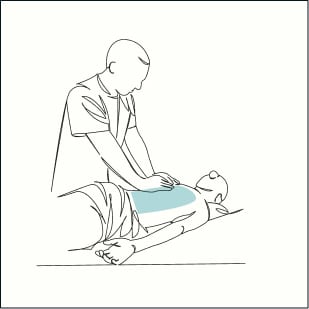
- Manual therapy: A form of physical therapy that involves pressure applied by a therapist’s hands to muscle tissues and joints. The goal is to decrease joint pain and restore mobility.
- Mobility work and exercises: May or may not use equipment to exercise muscles and gradually increase their range of motion. The goal is to improve joint flexibility and function.
- Strength training: Stimulates endorphins and improves muscular fitness, sleep quality, cardiovascular health, confidence, and well-being. Strengthening your muscles and increasing your energy levels can help relieve chronic pain.
- Pacing strategies: Involves regulating your activity levels. Pacing lets you focus your energy on activities you find most valuable. To pace your activities, you need to first identify your priorities, break them down, and set time for each.
- Goal setting: Gives you a sense of control. It lets you focus on activities that you find meaningful. With goal setting, you’re able to break down your goals into smaller, realistic steps, giving you a roadmap for how to get to your destination.
Complex Regional Pain Syndrome (CRPS)
Complex regional pain syndrome (CRPS) is a condition in which a person experiences excruciating pain. CRPS can last for over 6 months and can affect a limb or spread to other areas of the body, sometimes following surgery or an injury.
The skin in the affected area tends to swell, change in colour and temperature, and become more sensitive when touched. Even a slight touch or change in temperature can trigger intense pain.
It’s believed that damage to the central nervous system can result in CRPS. Some CRPS cases are mild, while some are extreme. Some patients see the symptoms go away over time, while some continue to experience the pain for years.
If you experience intense and persistent pain that prevents you from doing everyday activities, be sure to see your doctor immediately. CRPS can be difficult to diagnose as there’s no specific test for it.
The exact cause of complex regional pain syndrome is unknown, although it is linked to the abnormal response of the body to an injury. CRPS has 2 types: CRPS-I and CRPS-II.
CRPS-I or reflex sympathetic dystrophy syndrome involves cases without direct damage to the nerves. CRPS-II or causalgia, on the other hand, is associated with a nerve injury. Although their causes are different, the treatment is similar for both cases.
CRPS can affect anyone, but it is found to be more common among women around age 40. Here are some of the common symptoms of CRPS:
- Prolonged, severe pain
- Changes in skin color and temperature in the affected area
- Swelling
- Skin texture appears thin and shiny
- Stiffness
- Decreased mobility in the affected area
Treatments to Manage CRPS
CRPS is a complicated condition that requires a multifaceted approach. Treatment usually involves:
- Education: Knowledge plays a vital role in the treatment of CRPS. You need to be provided with complete and clear information about your condition so you can also take necessary steps to take care of yourself.
- Pain relief: Medications can also be used to provide relief. However, there is no specific drug for CRPS, so recommended medications vary from one patient to another.
- Psychological support: CRPS may cause patients to develop anxiety, stress, or depression, which can make treatment more challenging. Getting psychological support is crucial so you can recover and cope with the mental and emotional impact of CRPS better.
- Physiotherapy: Exercise programs can help improve blood flow, strength, and function of the affected areas. Programs designed for people with CRPS can help prevent symptoms from worsening and teach you ways to manage everyday tasks on your own.
Fibromyalgia
Fibromyalgia is a chronic condition characterized by widespread pain, fatigue, and cognitive difficulties.
Fibromyalgia affects millions of people worldwide, predominantly women. There is no known cure for this condition, which can significantly impact daily life.
Fibromyalgia can be challenging to manage: We’re here to help. Our dedicated team at One to One Wellness offers tailored treatments designed to help improve the symptoms of fibromyalgia and enhance your quality of life.
Symptoms of fibromyalgia can vary greatly from person to person, but may include:
- Pain over the entire body
- Fatigue
- Impaired focus or concentration
- Trouble sleeping
- Migraine or headaches
- Temporomandibular joint disorders (TMD)
- Feeling nervous or depressed
- Constipation
- Numbness in your face, arms, and legs
The causes of fibromyalgia are unclear, making it frequently misunderstood. A person’s chances of developing the condition may be influenced by various factors, such as:
- Genetics: Fibromyalgia may run in the family.
- Sex: The condition tends to be more common in women.
- Mental health: Mental health issues or mood disorders, such as anxiety and depression, can trigger the onset of fibromyalgia.
- Other medical conditions: Your risk of fibromyalgia increases if you have arthritis, lupus, or obesity.
- Physical trauma: Accidents, severe injuries, and physical or emotional abuse may trigger fibromyalgia.
- Physical inactivity: Lack of exercise may increase a person’s risk of developing fibromyalgia.
Treatments to Manage Fibromyalgia
Physiotherapy can be a powerful tool in your treatment toolbox. Your physiotherapist can teach you how to reduce pain and stiffness associated with fibromyalgia. They can also help you manage your day-to-day activities so you can prevent the onset of pain.
Our physiotherapists use a combination of techniques to help reduce pain, improve mobility, and enhance overall well-being, including:
- Exercise therapy: Regular, gentle exercise is a key component of fibromyalgia management. Our therapists can guide you through tailored exercises to help reduce stiffness, boost energy levels, and improve your overall physical function.
- Education and self-management: Understanding your condition is a powerful tool in managing it. Our team can educate you about fibromyalgia and provide strategies to manage symptoms at home, including pacing activities, relaxation techniques, and sleep hygiene tips.
- Relaxation: Relaxation exercises seek to show you proper posture, reduce muscle tension, and improve flexibility. Along with appropriate exercises, you can also improve your eating and sleeping habits, which can translate to better physical and mental health.
Your physiotherapist may also refer you to other practitioners at One to One Wellness or external specialists as needed. This may include a psychologist, an occupational therapist, a massage therapist, or an osteopathic manual therapist.

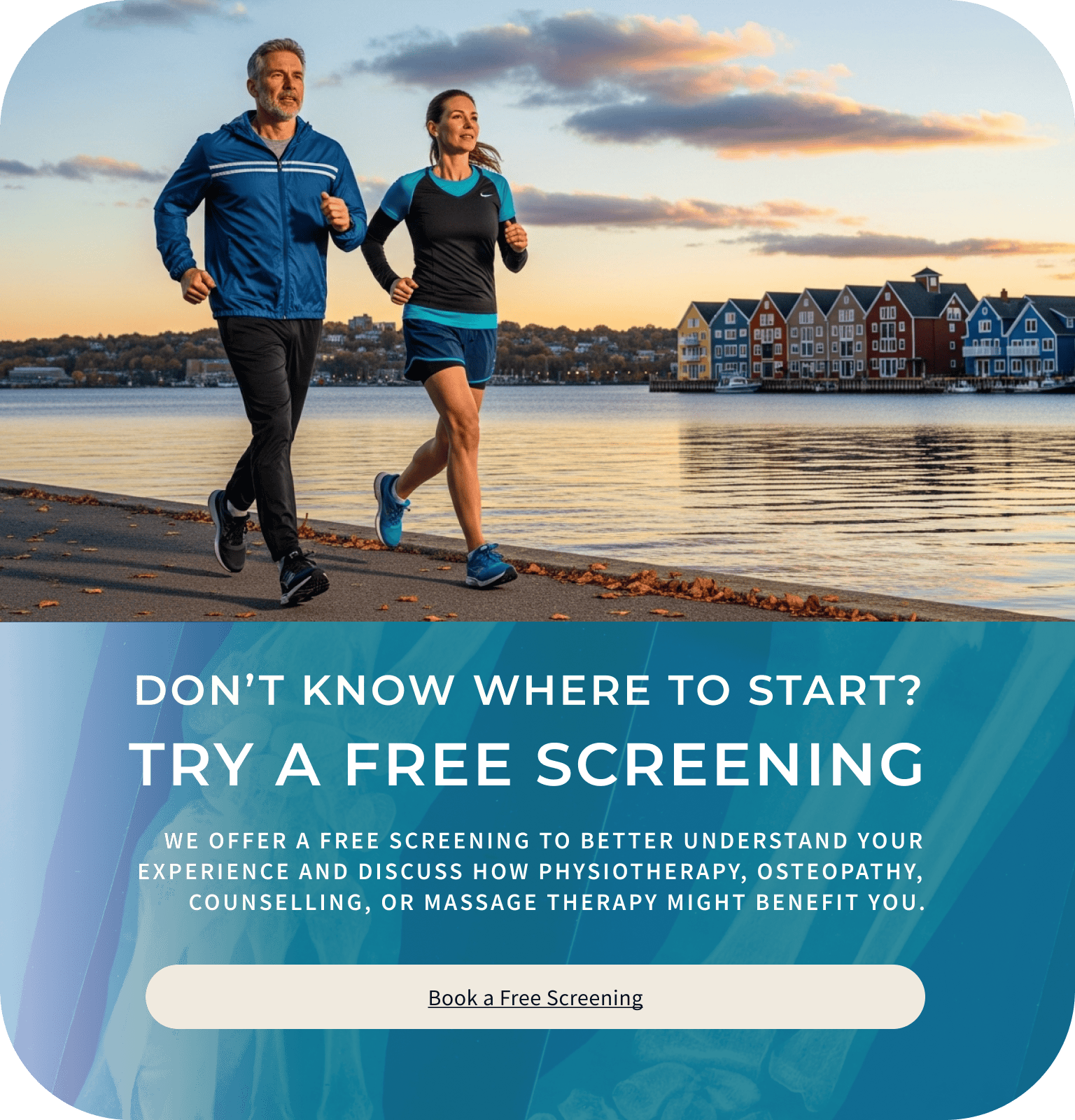
Build Your Support System at One to One Wellness
At One to One Wellness, we believe in a patient-centred approach. Our team of experienced professionals is dedicated to providing you with the highest quality care. We incorporate the most recent techniques and evidence-based practices into your treatment plan.
Our goal is to empower you with knowledge and strategies that help you regain control and improve your quality of life. If you’re living with a chronic and complex condition and want to explore how One to One could help, we invite you to contact us or book an assessment. Let’s take this journey together.
Book Appointment



Partnering with
the Community
Our team is dedicated to educating the Halifax community and Canadians across the country, collaborating with supportive networks nationwide. We’re proud to work with:









Visit Our Location
We’re located in the Vertu building, located on Dresden Row and Artillery Place in Downtown Halifax. Underground parking is available.
Many of our practitioners also offer virtual appointments. Contact us to learn more about online sessions.

Our Address
- 1535 Dresden Row Suite 210
- Halifax, NS B3J 3T1
Contact Information
- Phone: 902-425-3775
- Fax: 902-425-3774
- Email: admin@121wellness.ca
Hours of Operation


About Us
Services
Conditions Treated
One To One Wellness
- 1535 Dresden Row Suite 210
- Halifax, NS B3J 3T1
- 902-425-3775
- 902-425-3774
- admin@121wellness.ca